Dr. Worry’s verdict: I would replace engine coolant according to the exact vehicle specification and documented service interval, not because a workshop says the color looks old. In tropical heat, I pay extra attention to leaks, concentration, radiator airflow and pressure control, but I do not invent a shorter interval without evidence. If nobody can identify what is already in the system, a correct drain, inspection and refill is safer than adding a “universal” bottle.
Coolant has two jobs that matter in Southeast Asia: carry heat away and protect the engine’s metals, seals and passages from corrosion. Freezing protection is only one property. A car can live where frost never appears and still need the correct antifreeze chemistry, water quality and concentration. The expensive mistake is treating green, red, blue or pink as a specification. Dye is not an engineering standard, and similar colors can hide incompatible formulations.
Quick Takeaways
- Use the owner’s manual specification, not color, brand familiarity or a universal claim.
- Check the level only when the engine is cool and investigate repeated top-ups.
- Distilled or deionized water matters where concentrate must be mixed.
- Heat does not justify running plain water or excessive antifreeze.
- Record the product, ratio, date, mileage and reason for any cooling-system work.
Why Tropical Heat Does Not Simplify Coolant Choice
I often hear that antifreeze is unnecessary in Vietnam, Thailand or Cambodia because the weather never freezes. That confuses the product’s name with its full function. Modern coolant contains corrosion inhibitors and is designed to work with aluminum, iron, plastics, seals and sometimes several cooling loops. Plain tap water can introduce minerals, while an incorrect chemistry can reduce protection or create deposits.
Hyundai’s current owner guidance, for example, specifies phosphate-based ethylene-glycol coolant for the referenced aluminum engine and warns against hard water, alcohol, methanol and an incorrect mixture. Ford tells owners to identify the required coolant by vehicle and does not endorse non-approved universal coolants. Those are model-specific examples, not permission to pour either brand’s product into every car. My rule is simple: identify the exact year, engine and market, then match the published specification.
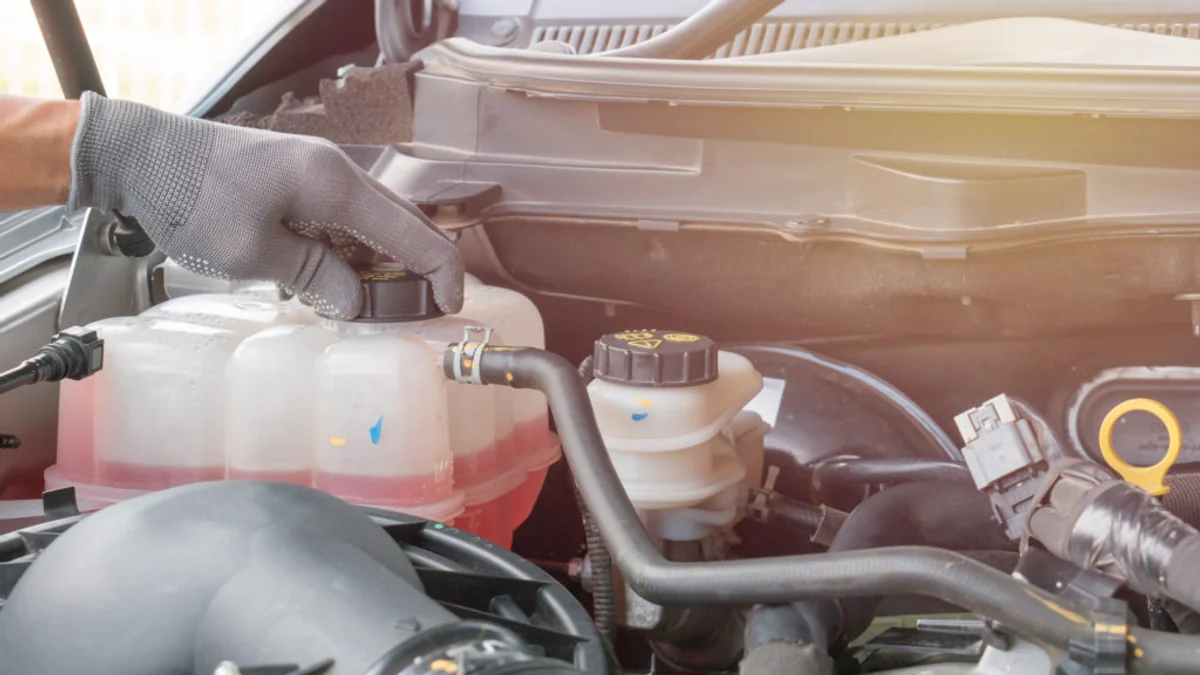
When I Replace Coolant
I start with the maintenance schedule. Intervals vary widely by vehicle and coolant. One current Hyundai schedule lists a long first interval followed by shorter later intervals, while Toyota maintenance literature likewise distinguishes initial and subsequent replacement periods for particular models. These examples prove why a generic two-year or five-year rule is not reliable. The manual for the actual car wins.
I may service earlier after contamination, an unknown previous refill, a component repair, flood exposure, oil intrusion or repeated overheating. I also inspect rather than blindly replace when the level keeps falling. A disappearing level may point to a hose, cap, radiator, water pump, heater core, gasket or another fault. Fresh fluid does not repair a leak. If the car has overheated, I want the cause established before accepting a quick refill and a cleared warning.
What Condition Tests Can and Cannot Tell You
A refractometer can estimate concentration or freeze protection, which helps confirm the mixture, but it does not certify every corrosion inhibitor. Test strips may measure selected properties for selected coolant families. Visual inspection can reveal oil, rust, suspended material or obvious mixing, yet clear-looking fluid can still be wrong or overdue. I combine service history, specification, level stability, pressure testing and appropriate chemistry tests.
A cooling-system pressure test can expose external leaks, but the correct test pressure is vehicle-specific. The cap also matters because it controls system pressure and coolant recovery. I inspect hoses when cold for swelling, cracking, abrasion and poor clamps. On a hot-country used car, I also examine the radiator and condenser faces for mud, insects, bent fins and blocked airflow. A clean reservoir cannot compensate for a clogged heat exchanger or failing fan.
Mixing, Flushing and Workshop Discipline
I do not approve an aggressive chemical flush as routine theatre. Ford’s published guidance says flush products and procedures should meet the manufacturer’s specification and warns against unapproved additives. If incompatible or contaminated fluid is present, the shop should explain how it will remove the old material, protect components and refill without trapping air.
Air bleeding is critical on engines with high points, rear heaters, turbo cooling circuits or electric pumps. Some vehicles require vacuum filling, scan-tool activation or a prescribed bleed routine. After service, I want stable level when cold, normal operating temperature, cabin heat where fitted, no warning codes and no leaks. For another moisture-sensitive fluid, the brake-fluid guide for tropical use shows the same principle: evidence and specification beat workshop guesses.
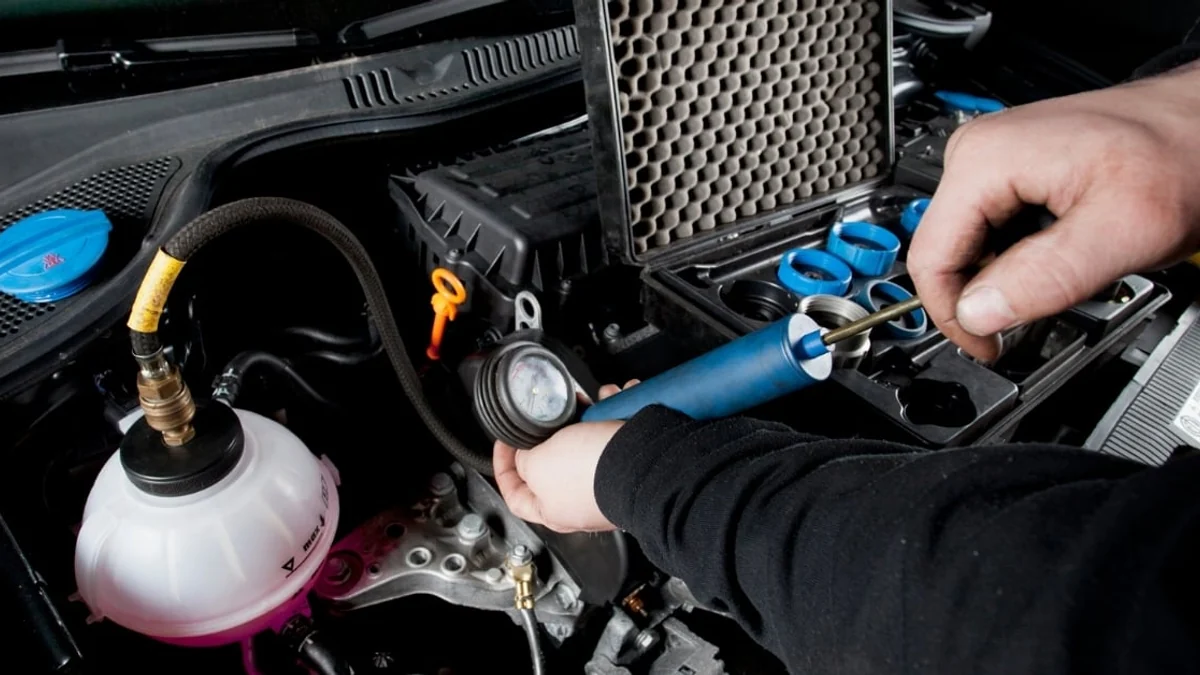
What I Would Check Before Approving Service
- Confirm year, model, engine, market and exact coolant specification.
- Read the official replacement schedule and severe-use notes.
- Identify the existing fluid from records; do not rely on dye color.
- Inspect cold level, cap, hoses, pump area, radiator and undertray for evidence.
- Use premix or the specified concentrate with suitable water and ratio.
- Follow the correct drain, fill and air-bleed procedure.
- Recheck cold level and leaks after several full heat cycles.
Buyer and Owner Mistakes I Avoid
I never remove a hot cap. Pressurized coolant and steam can cause serious burns, and an electric fan may start unexpectedly. I also avoid topping up repeatedly without recording how much was lost. A small level change across temperature is normal; a continuing decline deserves diagnosis.
For a used car with missing history, I fold coolant work into a wider inspection instead of assuming one fluid service makes the car safe. The flood-damaged car inspection checklist is especially relevant where water contamination is possible, and the used-car problem action plan explains which records to preserve if a seller’s claims prove false.
Frequently Asked Questions
Can I choose coolant by color?
No. Color is chosen by the product maker and is not a universal chemistry code. Match the written vehicle specification and product approval.
Is plain water better in very hot weather?
No as a routine fill. Water transfers heat well, but the specified mixture provides corrosion, seal and boiling protection. Use only the ratio approved for the vehicle.
Should I replace coolant early after buying a used car?
If the history or chemistry is unknown, I would verify it and often replace it correctly. First investigate leaks, overheating evidence and contamination so the service does not hide a fault.
Does a good freeze-point reading prove the coolant is healthy?
No. It mainly supports a concentration estimate. It does not prove the inhibitor package, compatibility, cleanliness or remaining service life.
Dr. Worry’s Final Recommendation
I would spend money on identification and diagnosis before buying a colorful jug. Follow the exact schedule, use the approved chemistry and water, repair leaks, and document the bleed procedure. In tropical traffic, a cooling system deserves respect, but panic servicing and universal-fluid shortcuts create risks of their own.