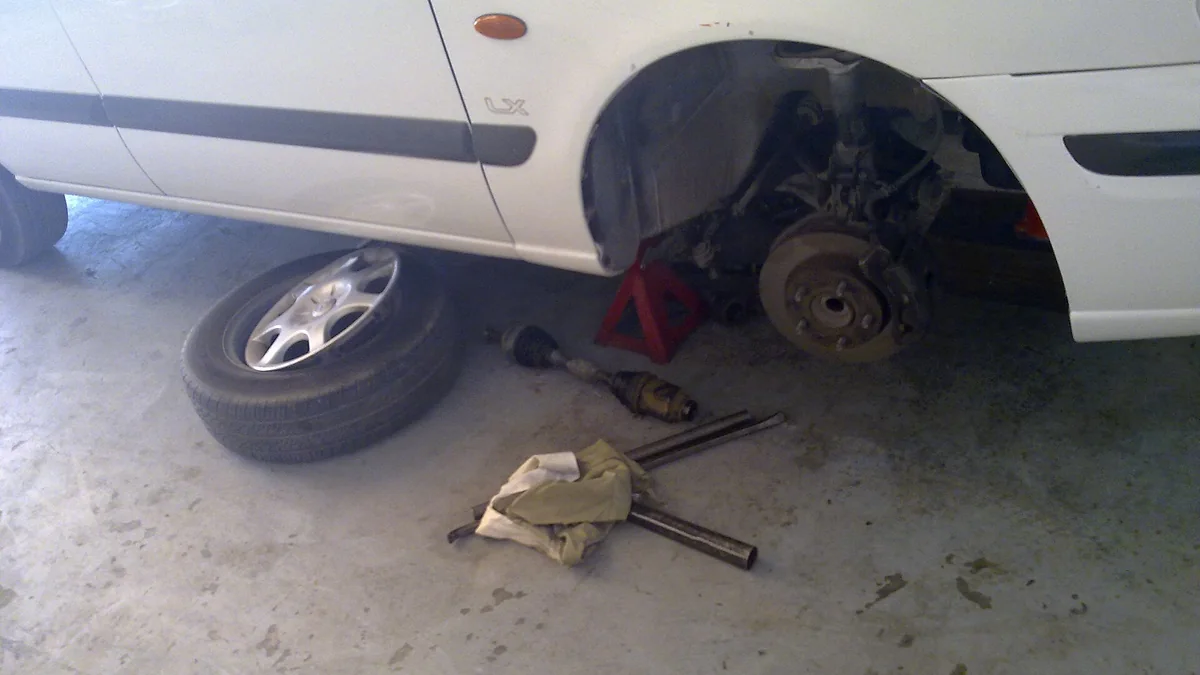
Dr. Worry’s verdict: I would approve brake pads or rotors only when the workshop shows me measurements, condition and the vehicle-specific limit. Noise, color and mileage are clues, not a diagnosis. If a pad is near its limit, a rotor is below minimum thickness, wear is uneven, or there is cracking, contamination or confirmed runout, repair is justified. A vague “your brakes are 70 percent worn” estimate is not enough.
Brake service is safety work, but it is also a common place for owners to be oversold. Pads and rotors are consumable; calipers and hardware may need attention; yet replacing everything by default can hide the actual cause of uneven wear or vibration. I want evidence from both sides of the axle and a written plan for the parts that failed.
Quick Takeaways
- Measure inner and outer pad friction material at the thinnest point.
- Compare rotor thickness with the exact minimum marked or specified for the vehicle.
- Check both rotor faces, runout, thickness variation, cracks and heat damage.
- Uneven pad wear demands a caliper, guide, hose and hardware diagnosis.
- Replace safety-critical components in axle pairs when the specified procedure requires it.
The Numbers I Ask the Workshop to Record
Brembo explains that rotor thickness should be measured at multiple points and compared with the “MIN TH” value on the rotor or the manufacturer specification. NHTSA’s in-use inspection interpretation likewise points to the embossed minimum safety thickness where present. I ask for the actual measurement in millimeters, not “good,” “yellow” or “red.”
Pad limits vary by vehicle and inspection regime. Ford’s published inspection example tells owners to seek service below a stated lining thickness for that vehicle, while other manufacturers publish different values. The correct number is therefore the service specification for the exact model. The measurement must exclude the steel backing plate and capture the thinnest inner or outer pad.
Rotor Thickness Is Only One Part of the Inspection
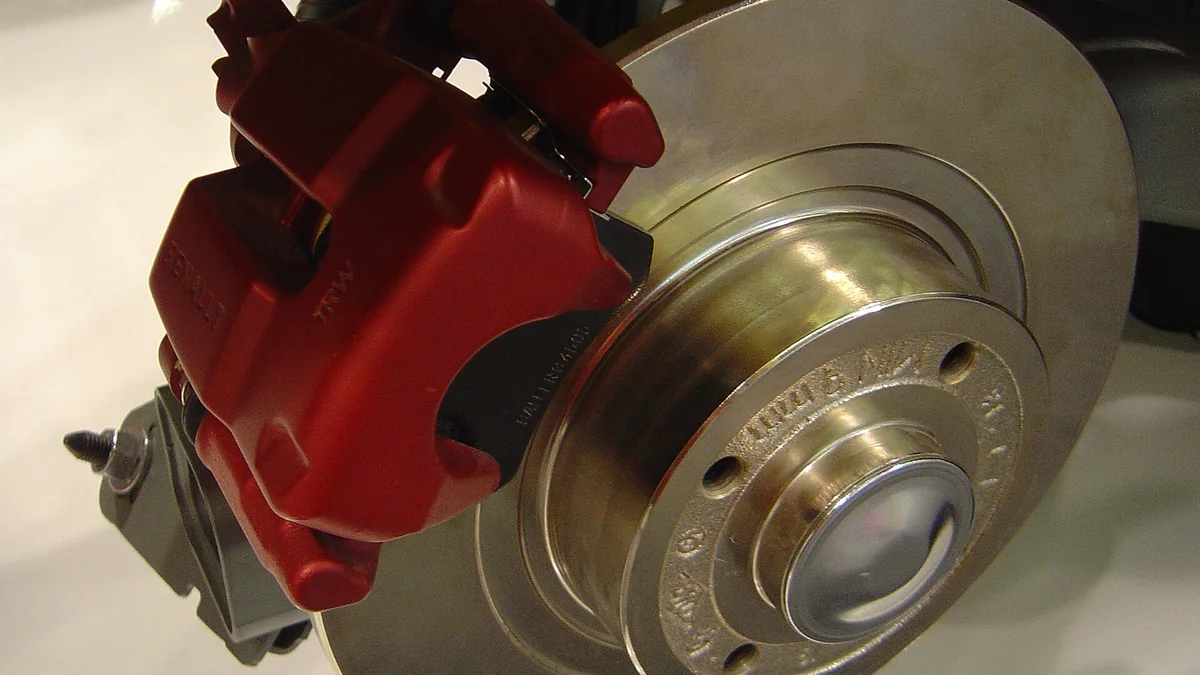
A rotor above minimum thickness can still have cracks, severe scoring, corrosion that reduces the swept area, heat spots or excessive runout. A surface lip does not by itself prove the rotor is condemned because the unswept edge naturally remains thicker. I want a micrometer reading away from that lip and, when vibration is reported, a dial-indicator check with the hub face clean.
Pedal pulsation is often described casually as a “warped rotor.” The measured problem may be lateral runout, uneven thickness or uneven friction-material transfer. Replacing rotors without checking hub cleanliness, wheel-bearing play and wheel-bolt torque can allow the complaint to return. A proper diagnosis records the readings before parts are discarded.
What Uneven Pad Wear Tells Me
The inner and outer pads should be compared on both sides of the axle. One thin inner pad may point to a sticking piston; one thin outer pad can suggest seized guide pins; tapered wear may indicate hardware or caliper movement problems. Contamination from brake fluid, grease or a torn boot changes the repair.
I also inspect flexible hoses and confirm that each wheel releases after braking. A collapsed hose can retain pressure, while a parking-brake mechanism can seize at the rear. New pads fitted to a binding system will wear quickly and may overheat the rotor. The tropical brake-fluid guide explains why fluid condition is a separate measured decision rather than an automatic add-on.
Noise, Rust and Vibration Without Guesswork
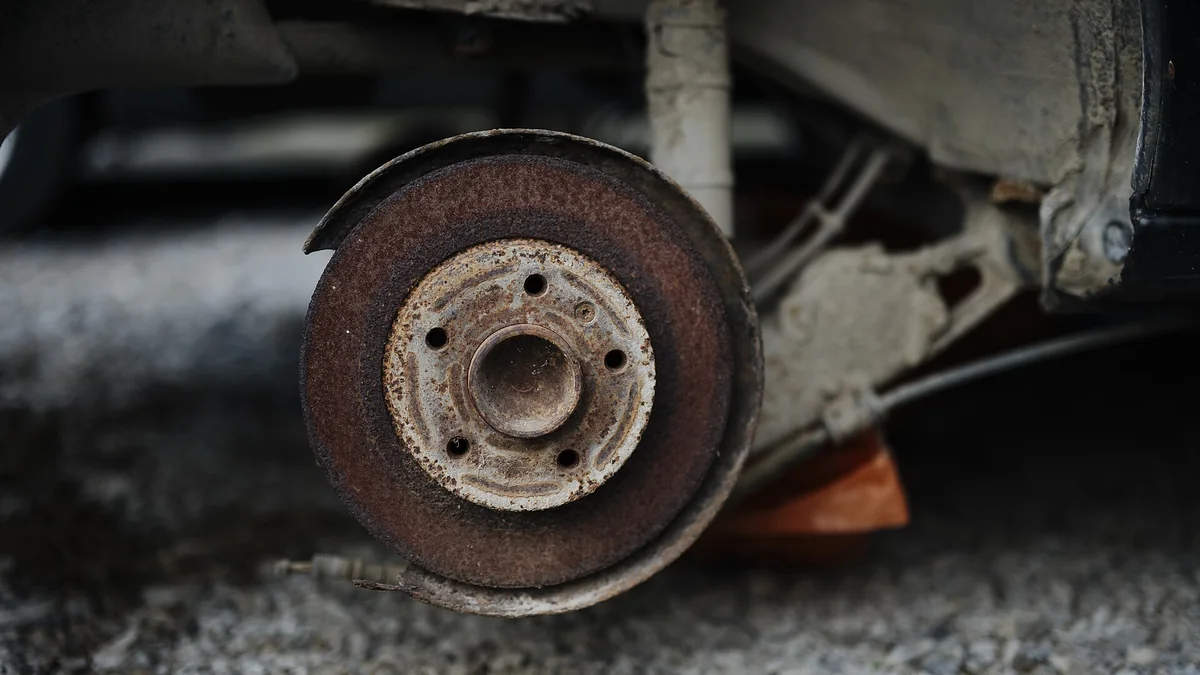
A wear indicator may squeal when a pad approaches its limit, but a stone, glazed surface or hardware can also make noise. A grinding sound requires immediate inspection because backing-plate contact can damage the rotor. Light surface rust after rain may clear with normal braking; deep pitting, flaking or an unswept band deserves closer evaluation.
In monsoon climates, cars that sit can develop more corrosion than high-mileage cars used daily. I do not promise that a few hard stops will clean an unknown brake. The workshop should inspect, measure and perform a safe road test. If braking pulls to one side or the pedal changes suddenly, I stop driving and arrange recovery.
What I Would Check Before Approving the Quote
- Obtain pad measurements for inner and outer pads at every affected wheel.
- Record rotor thickness at several points and the stated minimum limit.
- Inspect both faces for cracks, scoring, corrosion, heat spots and contamination.
- Measure runout or thickness variation when pulsation is the complaint.
- Check caliper slides, piston boots, hoses, hardware and wheel-bearing play.
- Confirm part specification, axle-pair policy, torque values and bedding procedure.
- Keep photographs and ask to see the removed parts after service.
Pads Only, Resurface or Replace Rotors?
Pads-only service can be reasonable when rotors are safely above their service limit, surfaces are suitable, runout is controlled and the manufacturer procedure allows it. Resurfacing is possible on some plain rotors only if the finished thickness remains above the machining or discard limit. Some rotor designs and markets make replacement more sensible, but cost convenience is not the safety criterion.
Brembo advises replacing rotors as axle pairs and fitting new pads with new rotors. I follow the component and vehicle instructions, clean the hub, torque fasteners correctly and perform the prescribed bedding. For a used car with unclear service history, the used-car problem evidence plan helps preserve the inspection and seller claims.
What a Good Post-Service Check Looks Like
Before the car leaves, the technician should restore pedal pressure, verify fluid level, check for leaks, confirm wheel fastener torque and perform the specified bedding or road test. I listen for abnormal contact and check that the car stops straight without a warning lamp. After the first drives, I remain alert for heat, odor, pull or a changing pedal. New parts need controlled bedding, but they should not be used to excuse grinding, severe vibration or an unsafe pedal.
Frequently Asked Questions
Do rotors need replacement every time pads are changed?
No universal rule says so. Measure thickness and condition, check the service procedure and confirm whether resurfacing is permitted and worthwhile.
Can I judge pad life through the wheel?
You may see the outer pad, but the inner pad can wear differently. A complete inspection usually requires access to both pads and the rotor faces.
Does a ridge on the rotor mean it is unsafe?
Not by itself. The unswept edge can form a lip. Measure the braking surface correctly and compare it with the exact minimum specification.
Why did new brakes start vibrating again?
Possible causes include hub contamination, runout, uneven torque, bearing play, heat cycling or uneven material transfer. Measure the assembly rather than replacing parts repeatedly.
Dr. Worry’s Final Recommendation
I would never bargain against a genuine brake safety defect, but I would insist that the defect be named and measured. Ask for pad thickness, rotor thickness and limit, surface condition, runout when relevant, and the cause of uneven wear. A workshop that can show those facts earns the job; one that sells by percentage and fear needs a second opinion.