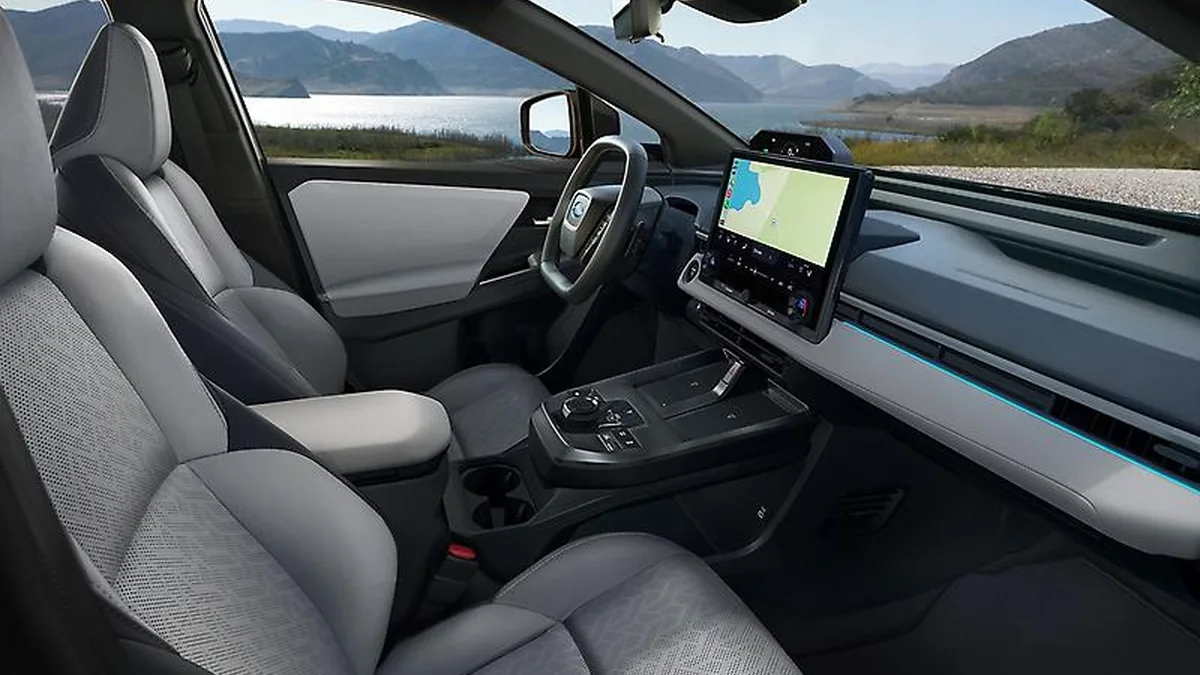
Dr. Worry’s verdict: the 2027 Subaru Solterra is finally a serious daily EV instead of a Subaru badge attached to weak range and slow road-trip charging. The headline is not just the $38,495 starting MSRP. The real story is the combination of up to 288 miles of estimated range, faster 10-80% charging, standard all-wheel drive, a NACS port, and a much stronger XT version for buyers who want more punch.
I would still not buy it blindly. The Solterra is now much easier to recommend, but it remains an EV that has to fit your charging life. If you live with street parking, take frequent highway trips, or drive through cold winters, the numbers on Subaru’s spec sheet are only the beginning of the decision.
Quick Takeaways
- Best reason to care: Subaru kept the entry price under $40,000 while giving the Solterra the range and charging upgrades it badly needed.
- Range check: Subaru lists up to 288 miles, while Car and Driver notes 278 miles for the quicker XT version.
- Charging check: Subaru says 10-80% can take about 28 minutes with fast charging, and the 2027 model uses the NACS charging port.
- Big warning: do not buy an EV around peak charging speed alone. Your local charger reliability and home charging setup matter more.
The Solterra’s Original Problem Was Trust
The old Solterra was not a terrible idea. A small electric SUV with standard Subaru all-wheel drive makes sense on paper. The problem was that EV buyers compare numbers brutally. If a rival has more range, quicker charging, or a better network experience, brand loyalty only goes so far.
The 2027 Solterra looks like Subaru understood that. The updated model gets a larger 74.7-kWh lithium-ion battery, estimated range of up to 288 miles, battery preconditioning, and fast-charging support up to an estimated 150 kW. Subaru’s own Solterra page also emphasizes the 10-80% charge in about 28 minutes and cold-weather charging improvements. That is the kind of change that matters in the real world, not just in a showroom brochure.
For background on EV basics, pair this with my WorryCars guide to how electric cars work. The short version is simple: range, charging speed, battery conditioning, and route planning are the four things that decide whether an EV feels easy or annoying.
Range: Good Enough, But Not Class-Leading
Up to 288 miles is a much better number than earlier Solterra shoppers had to accept. It makes normal commuting, school runs, errands, and most regional trips easier. But do not treat 288 miles as the distance you can always drive without thinking.
Cold weather, highway speed, elevation, rain, headwind, roof boxes, and heavy use of climate control all reduce EV range. My rule is to plan around your worst regular day, not the best-case number. If your longest normal route is 170 miles and you can charge at home, the Solterra’s range is probably comfortable. If your weekly drive is a 230-mile highway round trip in winter, I would test the route carefully before signing.
Car and Driver lists the EPA range at 288 miles for the base Solterra and 278 miles for the more powerful XT. That difference is not huge, but it is worth remembering. More power is fun; range margin is useful. Choose the one you actually need.
Charging: NACS Helps, But Your Route Still Decides
The move to NACS is important because it opens a much better charging conversation for U.S. buyers. Subaru also says the Solterra supports 10-80% fast charging in about 28 minutes. That is a big improvement over the old reputation of this vehicle.
But I would still test the actual charging map before buying. Look at the chargers near your home, your workplace, your weekend route, and the places you visit in bad weather. A theoretical 150-kW peak does not help if your local station is busy, broken, limited to lower output, or awkward to reach.
Home charging matters most. If you can install Level 2 charging at home, the Solterra becomes much easier to live with. If you cannot, then your buying decision depends on public infrastructure. In that case, spend an hour checking real charger reviews before spending tens of thousands of dollars.
Do You Need the XT?
The XT versions produce up to 338 combined horsepower, and Car and Driver recorded a 4.3-second 0-60 mph result for a 2026 Touring XT. That is quick enough to surprise people who still think every Subaru EV is slow.
Still, I would not buy the XT only because it is fast. Extra power can bring higher tire wear, higher insurance, and a higher purchase price. If you want effortless merging, mountain-road confidence, and a more premium feel, the XT makes sense. If your normal use is commuting, school runs, and snowy errands, the lower-power version may be the smarter buy.
The Subaru Advantage Is Still Weather Confidence
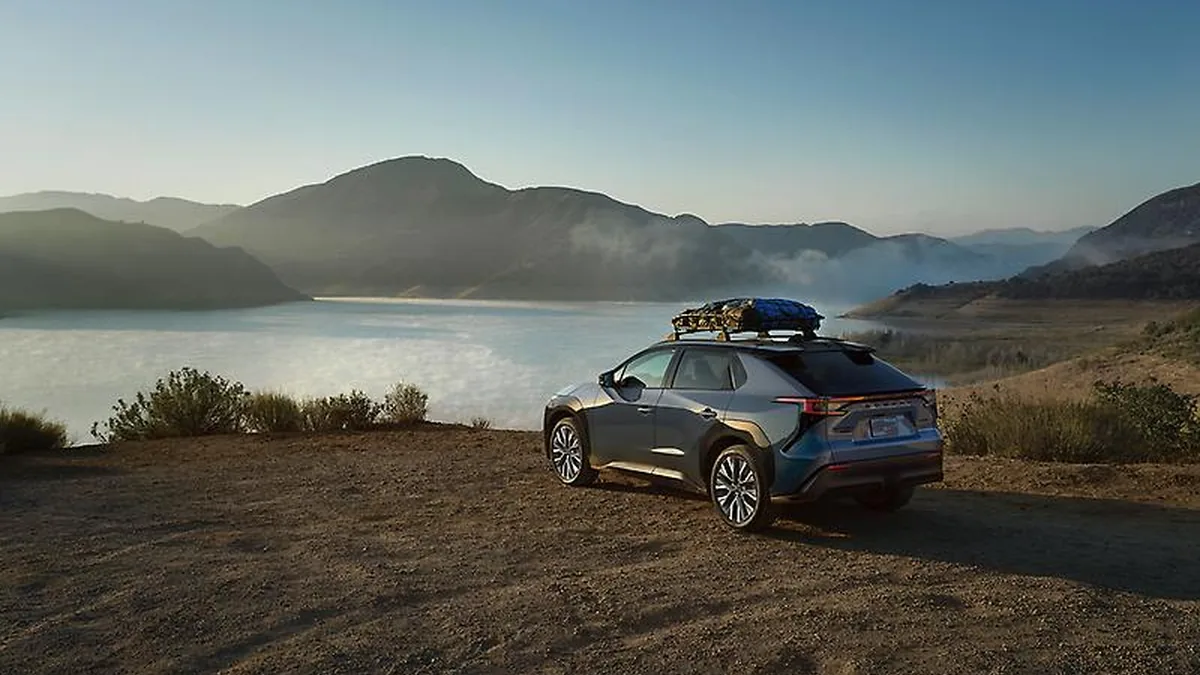
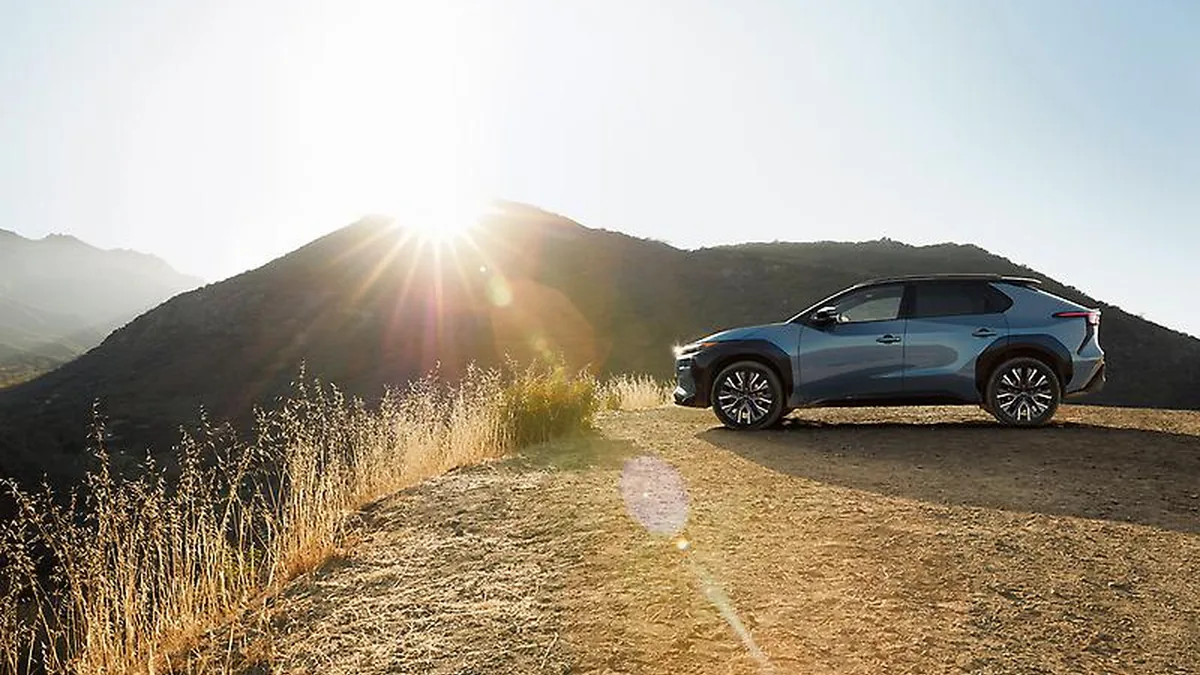
This is where the Solterra has a clear identity. Standard all-wheel drive, Subaru’s all-weather image, and 8.3 inches of ground clearance give it a reason to exist against sleeker EV crossovers. It is not the EV I would buy for maximum efficiency or maximum luxury. It is the EV I would consider if I wanted a familiar Subaru feel with electric running costs.
That matters for snow states, rural roads, steep driveways, and buyers who do not want a low-slung EV. It also matters psychologically. Some shoppers do not want an EV that feels like a tech product first and a car second. The Solterra is trying to feel like a Subaru first.
What I Would Check Before Buying
- Home charging: confirm whether you can install Level 2 charging and what it will cost.
- Winter range: calculate your longest cold-weather route with a reserve, not just the official range number.
- Charging network: check NACS fast chargers on your real routes, including recent reliability reviews.
- Trim value: compare Limited, Touring, and XT equipment against the actual monthly payment.
- Tires: ask about replacement cost, especially on larger-wheel trims.
- Cabin fit: test seat comfort, rear visibility, cargo opening, and rear-seat space with your normal gear.
FAQ
Is the 2027 Subaru Solterra finally worth considering?
Yes, if you wanted a Subaru EV but were waiting for better range and charging. The 2027 model is much more competitive than the earlier Solterra.
Is 288 miles enough range?
For many daily drivers, yes. For frequent winter highway trips, maybe. Use your longest normal route, add bad weather, and leave a reserve before deciding.
Should I buy the XT?
Buy the XT if you care about quick acceleration and higher trim equipment. Skip it if you mainly want the lowest cost and maximum range margin.
What is the biggest risk?
Charging fit. If home charging and your local fast-charging network are weak, even an improved Solterra can become inconvenient.
Dr. Worry’s Final Recommendation
The 2027 Solterra is no longer a weak EV choice hiding behind Subaru loyalty. The improved range, NACS port, faster charging, and stronger XT option make it a real contender for buyers who want an all-weather electric SUV.
I would put it on the shortlist if you can charge at home, value AWD, and do not need class-leading highway range. I would pause if you depend entirely on public charging or regularly drive long cold-weather routes. The car is better now. Your charging life still has to be ready for it.