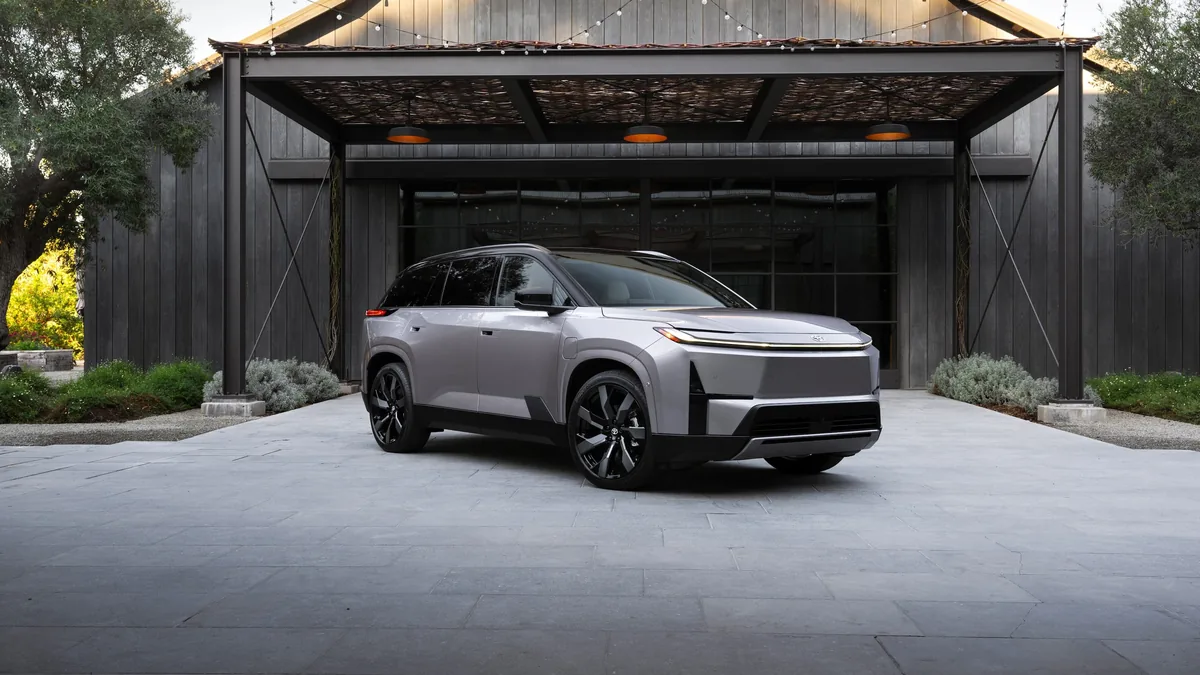
Dr. Worry’s verdict: Do not place a deposit on the delayed 2027 Toyota Highlander EV unless your current vehicle is unreliable, you specifically require a battery-electric three-row SUV for daily use, and you can tolerate an uncertain delivery timeline without financial penalty.
The production start date has been pushed back by a minimum of eight weeks to allow time for final adjustments prior to launch. While this sounds like standard engineering caution, it introduces significant uncertainty into family planning. Toyota has confirmed that the 2026 gasoline and hybrid Highlander will continue through December 2026, providing an overlap period where buyers can choose between waiting or securing a known delivery.
This delay is not evidence of defective hardware; rather, it reflects the rigorous standards required for high-voltage battery integration in a mass-market family vehicle. However, relying on a launch date that may shift again is risky for those with fixed replacement deadlines. The following analysis outlines why waiting can be sensible under specific conditions and why buying now remains a viable strategy.
Quick Takeaways
- The Delay: Production delayed by at least eight weeks; sales likely shifting to early 2027.
- The Alternative: The 2026 Highlander Hybrid remains in production through year-end, offering immediate availability.
- The Risk: Build schedules are fluid. Do not sell your current car until a firm allocation is published by the manufacturer and dealer.
The factual baseline for this guide comes from the primary official or regulatory source. I use those published details as inputs; the buyer and ownership judgment is my own.
What Changed: Context on the Delay
Toyota originally targeted an end-of-2026 launch for the all-electric Highlander, marking its entry into the three-row EV segment. The vehicle will be assembled in Kentucky at Toyota Motor Manufacturing Kentucky (TMMK). However, recent reports indicate that production has moved to allow time for final adjustments.
According to Car and Driver, the delay is intended to ensure stability in charging software, battery thermal management systems, and overall vehicle integration. This aligns with Toyota’s broader strategy of bolstering its electric lineup alongside new models like the bZ Woodland.
It remains unclear how this shift affects sibling projects such as the Lexus TZ or the Subaru Getaway, which share platform development goals but may have independent certification schedules. For buyers in Southeast Asia (Vietnam, Thailand), there is no guarantee of an official launch plan yet; grey importing carries substantial risk regarding software compatibility and warranty coverage.
Why Waiting Can Still Make Sense
The decision to wait hinges on your current vehicle’s reliability. If you have a dependable car with another year or two of life remaining, waiting allows for early reviews of the EV’s charging curve, winter-range performance in cold climates, and software stability.
Buying after evidence is usually cheaper emotionally than buying first based on excitement alone. The Highlander EV promises quiet driving and home-charging convenience without stepping into a luxury price band like some German rivals. If you have already solved the installation of Level 2 chargers at your residence, waiting for final certification data ensures you are not paying a premium for unfinished features.
Why the 2026 Highlander Hybrid Remains Relevant
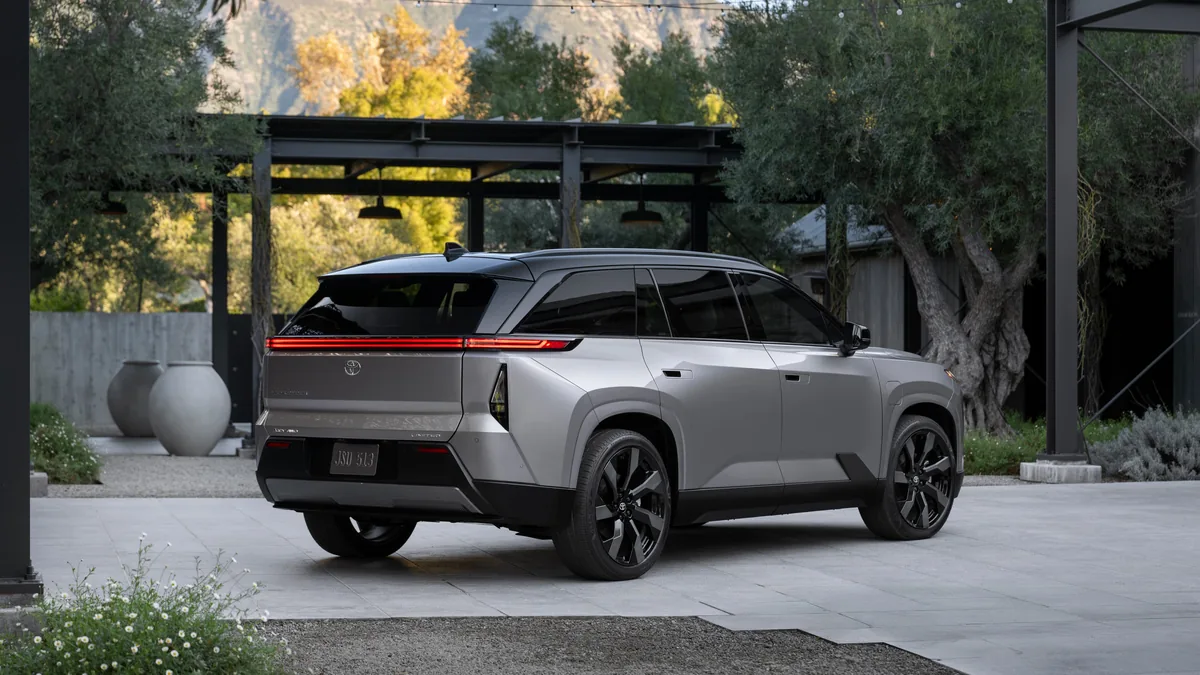
A hybrid powertrain avoids public-charging uncertainty entirely. It keeps quick refueling capabilities and comes from a familiar product cycle that many families trust. This matters significantly for apartment residents, frequent intercity travelers, or parents who cannot risk arriving at a broken charger with children on board.
Continued production of the 2026 gas and hybrid models through December means inventory will overlap the EV transition. However, buyers should note that strong demand can limit discounts on remaining stock. The older Highlander is not automatically the bargain; you must compare final transaction prices against fuel use expectations.
Furthermore, a Grand Highlander or another hybrid three-row may provide more usable cabin space than waiting for a potential discount on the standard model. If your primary need is solving “Tuesday morning” logistics rather than winning a launch presentation award, the proven hybrid remains the calmer choice.
The EV Questions Toyota Still Needs to Answer
Before placing a deposit or building plans around an uncertain delivery date, buyers should demand clarity on specific technical metrics. I want certified range by trim level, not just development targets. A large advertised battery does not guarantee a fast road trip if the charging curve falls quickly under load.
I also need to know about cold- and hot-weather preconditioning behavior. Three-row vehicles carry more people and open their doors frequently; rear air-conditioning performance and heat rejection in Southeast Asian climates deserve as much attention as maximum range claims. Additionally, verify the towing limit for an electric SUV of this size and wheel-and-tire options that do not compromise efficiency.
Alternatives I Would Test During the Delay
If you need three rows immediately before Toyota can confirm production certainty, cross-shop now. The Kia EV9 and Hyundai Ioniq 9 are natural electric comparisons because they already frame the three-row question around charging infrastructure and family utility.
Our Hyundai Ioniq 9 buyer check covers the cost of choosing style and luxury equipment in this segment. If fuel flexibility matters more than pure-electric driving, consider a Kia Telluride Hybrid guide to understand if that platform suits your needs better.
I would also test a Toyota Grand Highlander Hybrid before placing any deposit on an EV. A buyer may discover that real third-row access and cargo space matter more than having the newest powertrain technology. The correct family SUV is the one that solves daily problems, not the one that wins a launch presentation.
Southeast Asia Changes the Answer
The North American Highlander EV launch does not guarantee an official sale in Vietnam, Thailand, Singapore, or Cambodia immediately. Grey importing a new electric model adds software lockout risk, charging incompatibility issues, parts scarcity, and warranty voidance.
If an official regional version arrives later, verify connector types (CCS vs CHAdeMO), navigation support for local maps, app functions, battery cooling systems, and high-voltage repair capability. A 320-mile target measured for one market is not a promise for every climate or infrastructure environment.
What I Would Do Before Placing a Deposit
- Get terms in writing: Secure deposit refund policies and delivery estimates before paying anything. Do not rely on verbal assurances from sales staff.
- Hold your current car: Do not sell or trade-in your vehicle until a firm allocation and build timing exist for the new model year.
- Verify charging readiness: Install home charging only after confirming local connector standards (Type 2/CCS) and electrical plan capacity at your residence.
- Test space thoroughly: Test third-row access, child seat installation points, and cargo volume with the whole family before committing to a specific trim level.
- Compare real prices: Compare the 2026 hybrid against its actual transaction price on dealer lots, not just manufacturer suggested retail pricing (MSRP).
FAQ
How long is the 2027 Highlander EV delayed?
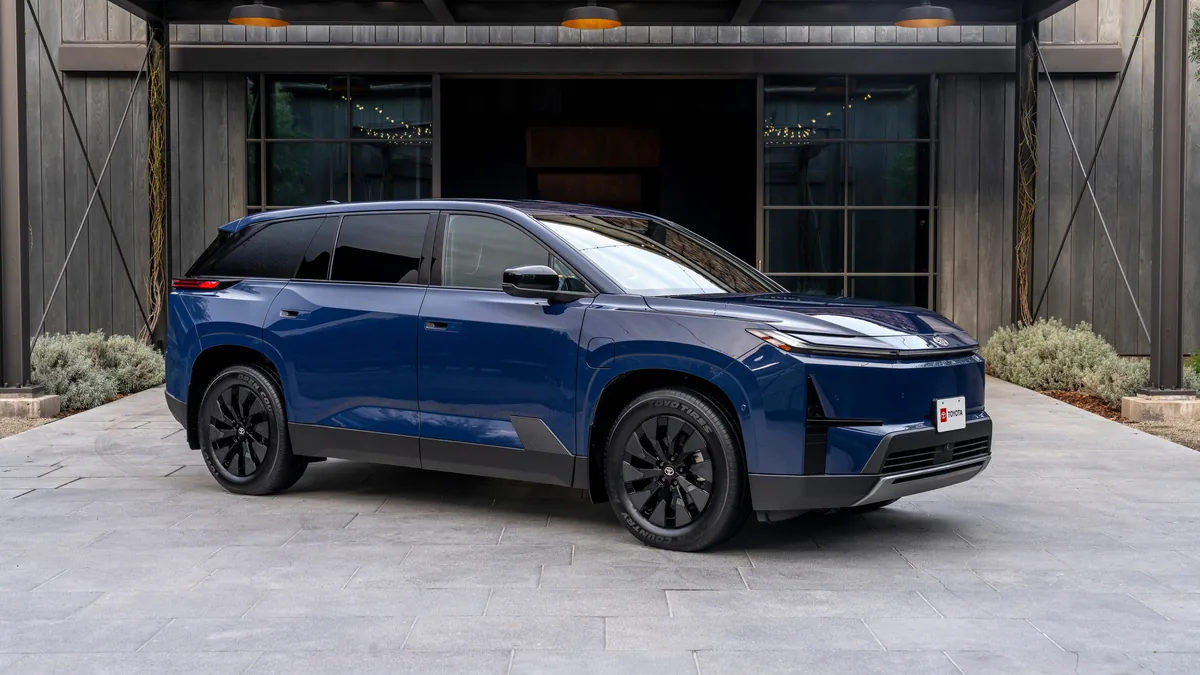
Toyota has confirmed a production delay of at least eight weeks for final adjustments. Buyer-facing delivery timing remains uncertain, with sales potentially shifting to early 2027 rather than late 2026.
Will the gasoline and hybrid Highlander disappear immediately?
No. Toyota has stated that 2026 gas and hybrid production continues through December 2026, so inventory should overlap the EV transition for several months.
Should families wait or buy now?
Wait only if your current vehicle is dependable and you specifically want this specific electric model. If you have a fixed deadline (e.g., lease expiration), compare available hybrids and established three-row EVs like the Kia EV9 now.
Is there a recall affecting the 2027 Highlander?
While Toyota has delayed production for adjustments, buyers should remain vigilant. Always check current recalls before delivery; see our checklist on how to handle recall situations with Toyota EVs.
What about the Lexus TZ and Subaru Getaway?
The 2027 Highlander will spawn two other new EVs: the Lexus TZ (luxury counterpart) and the Subaru Getaway. However, production shifts for the Highlander may affect their schedules independently. We are monitoring these developments closely.
Related family-EV update: Subaru has now postponed its related three-row model too. Read the 2027 Subaru Getaway delay and wait-or-buy guide before comparing delivery timing, AWD, range and alternatives.
Dr. Worry’s Final Recommendation
I would welcome the delay if it gives Toyota time to deliver stable charging software, robust battery thermal management, and proven family usability metrics. However, I would not let an uncertain launch date control a fixed family schedule or financial obligation.
My advice is clear: Wait with a refundable deposit only if you have no other option for transportation during the delay period. Otherwise, buy a proven hybrid now or choose a rival EV that has been on the road longer to validate its reliability claims. Patience is sensible; dependence on an unconfirmed delivery date is not.
For those in Southeast Asia who are considering grey imports of this vehicle class, proceed with extreme caution until official regional versions arrive with verified warranty support and software compatibility for local networks. The right car solves Tuesday morning problems, regardless of whether it carries the newest badge or powertrain technology.