Dr. Worry’s verdict: If your car has a camera behind the windscreen, treat calibration as part of the glass replacement—not as an optional add-on. I would not collect the car until the workshop can show that it used the correct glass, completed the manufacturer-specified calibration and produced a successful scan or calibration report.
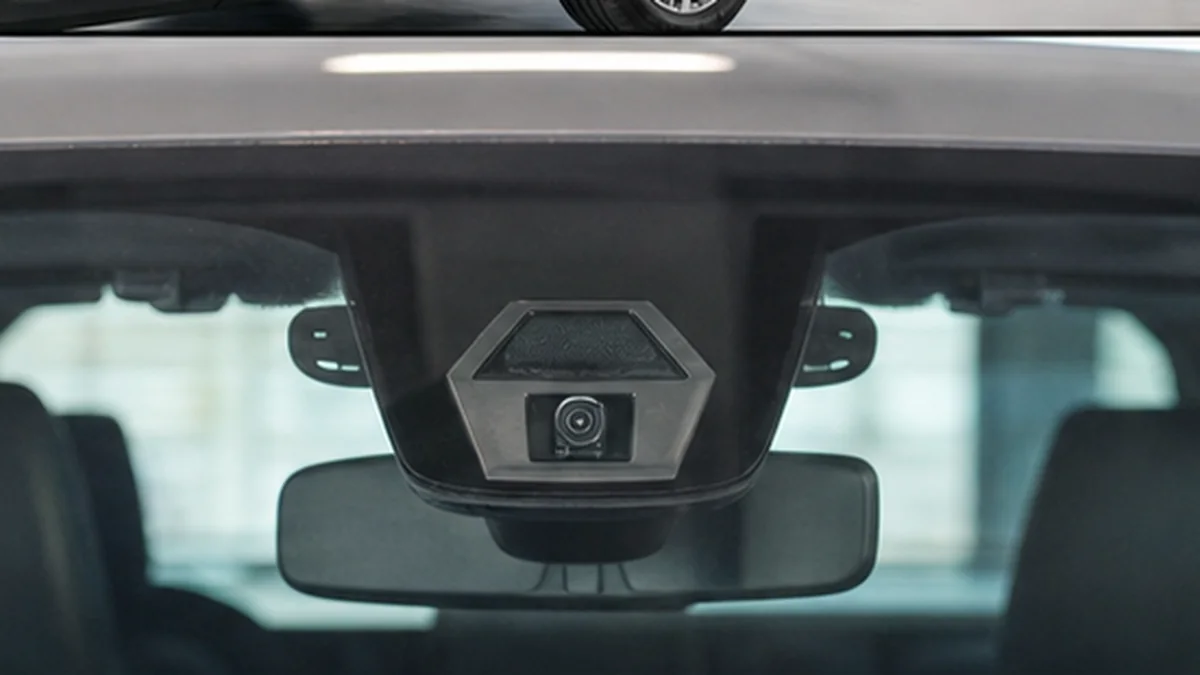
A modern windscreen is part window and part sensor mount. A camera looking through it may support automatic emergency braking, lane-departure warning, lane centering, traffic-sign recognition or adaptive lighting. The dashboard may look normal after a careless glass job, yet the camera’s view can still be slightly wrong. That is why a cheap quotation that excludes calibration can become an expensive safety gamble.
Quick Takeaways
- Ask whether your vehicle has a forward camera, rain sensor, head-up display, heating or acoustic glass before accepting a quotation.
- Use the glass type and calibration procedure specified for the exact model and equipment level.
- Request pre-scan, post-scan and calibration evidence rather than relying on the absence of warning lights.
- Do not judge the result by a five-minute drive in light traffic.
- Keep the invoice and calibration record for warranty, insurance and resale documentation.
Why a Windshield Can Change What the Camera Sees
The camera bracket is bonded to the glass, so replacing the windscreen can alter the camera’s position or optical path. Even when the bracket looks straight, glass curvature, thickness, distortion and installation tolerances matter. The Insurance Institute for Highway Safety notes that crash-avoidance systems improve safety but make repairs such as windscreen replacement more complicated. AAA’s repair research also treats windscreen replacement and sensor calibration as one of the important ADAS repair scenarios.
I do not tell owners that every aftermarket windscreen is automatically bad. The useful question is whether the glass is approved for that vehicle and whether the installed combination can pass the specified calibration. Some manufacturers require original equipment glass for particular configurations; others permit an equivalent part. The workshop should check the vehicle identification number, camera code and service procedure instead of making a blanket promise.
Static, Dynamic and Combined Calibration
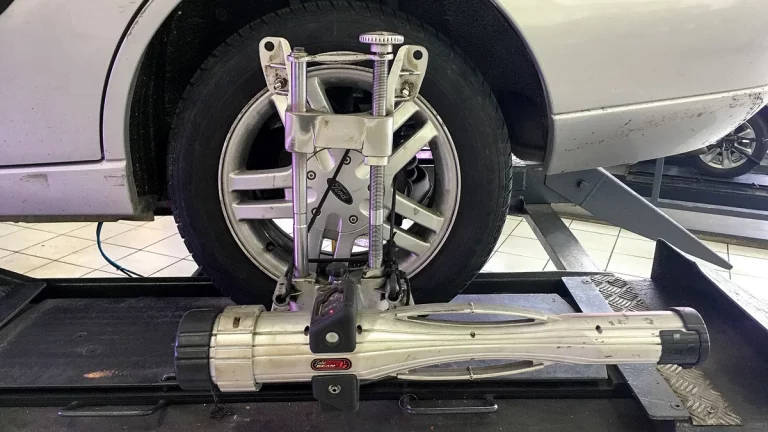
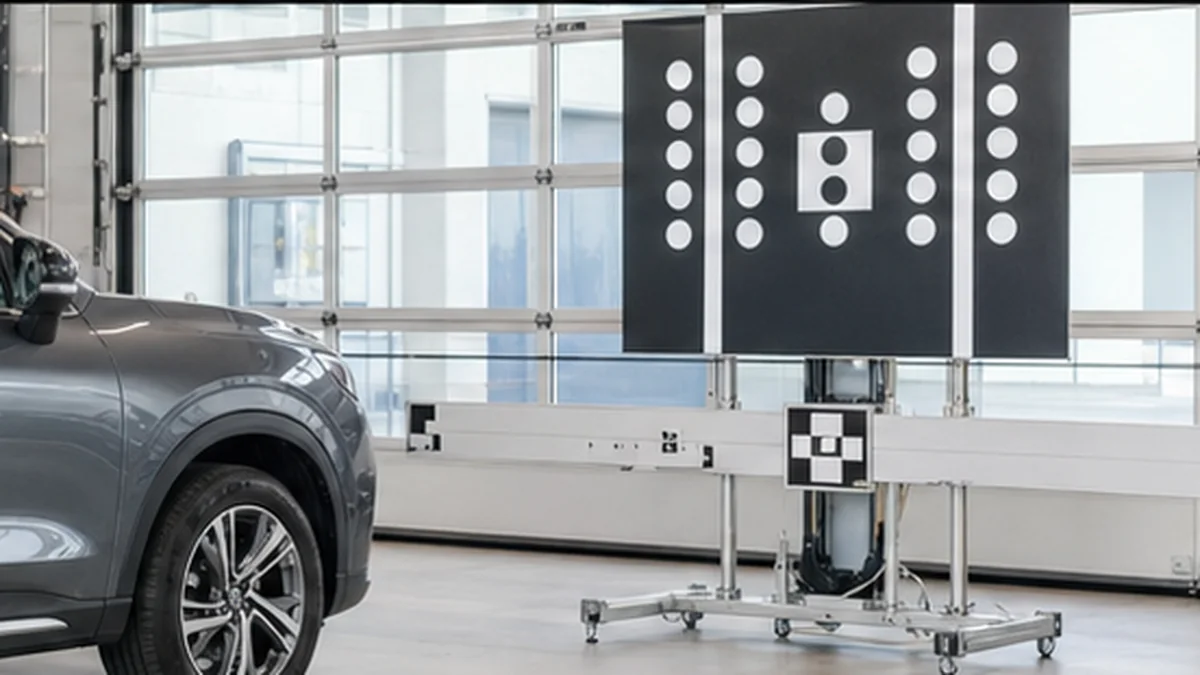
Static calibration is performed with the car positioned precisely in front of targets in a controlled bay. The floor, tire pressures, ride height, steering position, lighting and distances may all need to meet the manufacturer’s conditions. Dynamic calibration uses a scan tool while the vehicle is driven at specified speeds on suitable roads. Some cars need one method; others require both. A shop should not substitute its preferred method for the method in the service information.
Vietnam and neighboring markets add practical complications. Crowded roads, faded lane markings, motorbikes, heavy rain and irregular traffic can make a dynamic routine difficult to complete. That is not proof the vehicle is safe to release. It means the shop needs an appropriate route, conditions and equipment, or it needs to refer the car to a capable calibration center.
What I Would Ask Before Authorizing the Job
First, ask the estimator to identify every feature tied to the glass. A black camera housing near the mirror is an obvious clue, but the vehicle build data is better than visual guessing. Confirm whether the quote includes moldings, clips, rain-sensor gel, camera calibration and diagnostic scans. Ask who performs the calibration if the glass installer sends the car elsewhere.
Second, ask what happens if calibration does not complete. A trustworthy answer explains that the shop will diagnose the cause, verify alignment and glass compatibility, and not simply clear fault codes. Be cautious if the answer is that the car “learns by itself” without reference to the model’s documented procedure.
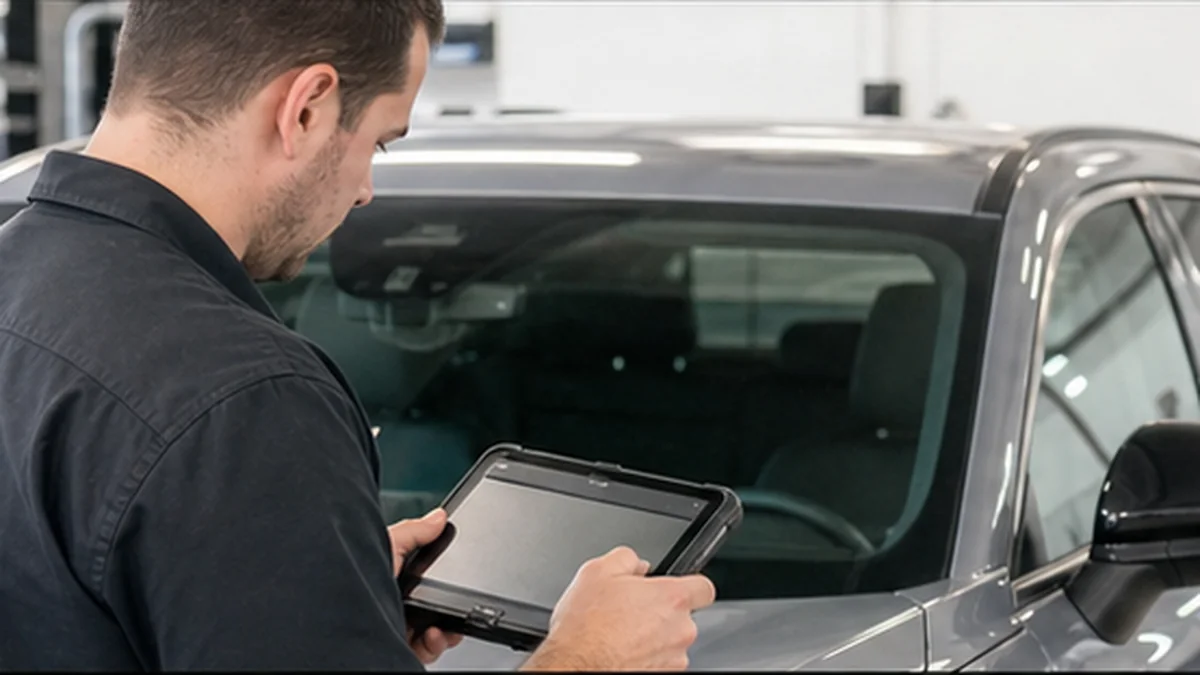
Third, request a written result. Useful evidence normally identifies the vehicle, the systems checked, the method used, any diagnostic trouble codes and whether calibration completed successfully. Keep it with the invoice. If you later sell the car, that record is stronger than a verbal assurance.
Checks to Make at Collection
- Inspect the glass for optical waves, haze, scratches, uneven trim and wind noise.
- Confirm the camera housing, mirror, rain sensor and surrounding trim are secure.
- Check that warning lamps illuminate normally at startup and then extinguish as designed.
- Test the wipers, washers, demister, rain sensor and head-up display if fitted.
- Read the scan and calibration report before paying the final balance.
- During a careful road test, watch for lane warnings that trigger too early, too late or on the wrong side.
Do not intentionally create an emergency to test automatic braking. ADAS remains assistance, not a substitute for the driver. If steering support pulls unexpectedly, the vehicle misreads lanes, or warnings appear after collection, stop using the affected assistance feature and return for diagnosis.
The Buyer Angle on a Used Car
A replacement windscreen is not automatically a reason to reject a used car. Stone chips and cracks are ordinary. I care more about the quality of the repair and the evidence behind it. Look for a glass brand and part marking appropriate to the car, neat seals, undamaged camera trim and invoices showing calibration. A seller who cannot explain a recently fitted windscreen deserves closer inspection.
This belongs in the same safety mindset as testing unfamiliar electronic releases in the electronic door-handle buyer checklist. Modern convenience systems can hide a mechanical or calibration dependency. For a broader example of how sensor condition affects long-term ownership, see my high-mileage Tesla Model Y inspection guide.
Frequently Asked Questions
Does every windshield replacement need ADAS calibration?
Not every car has a windscreen-mounted ADAS camera. If yours does, follow the exact manufacturer procedure. Many such vehicles require calibration after glass replacement even when the camera itself was not replaced.
Can warning lights prove the calibration is correct?
No. A system may have no dashboard warning yet still need calibration or verification. The documented scan and successful calibration result are better evidence.
Is original equipment glass always mandatory?
Requirements vary by model and equipment. Use the manufacturer’s service information and an approved part. The decisive test is compatibility with the vehicle and completion of the prescribed calibration.
Can a mobile installer calibrate the car at my home?
Sometimes, but only if the procedure and environment allow it. Static calibration may need a level floor, controlled space and accurately positioned targets; dynamic calibration needs suitable roads and conditions.
Dr. Worry’s Final Recommendation
I would choose the workshop that can explain the full process and document the result, even if its quote is not the cheapest. Confirm the glass specification, calibration method, diagnostic scans and warranty before work begins. A clear windscreen is only half the job; the safety camera must also know exactly where it is looking.