Dr. Worry’s verdict:
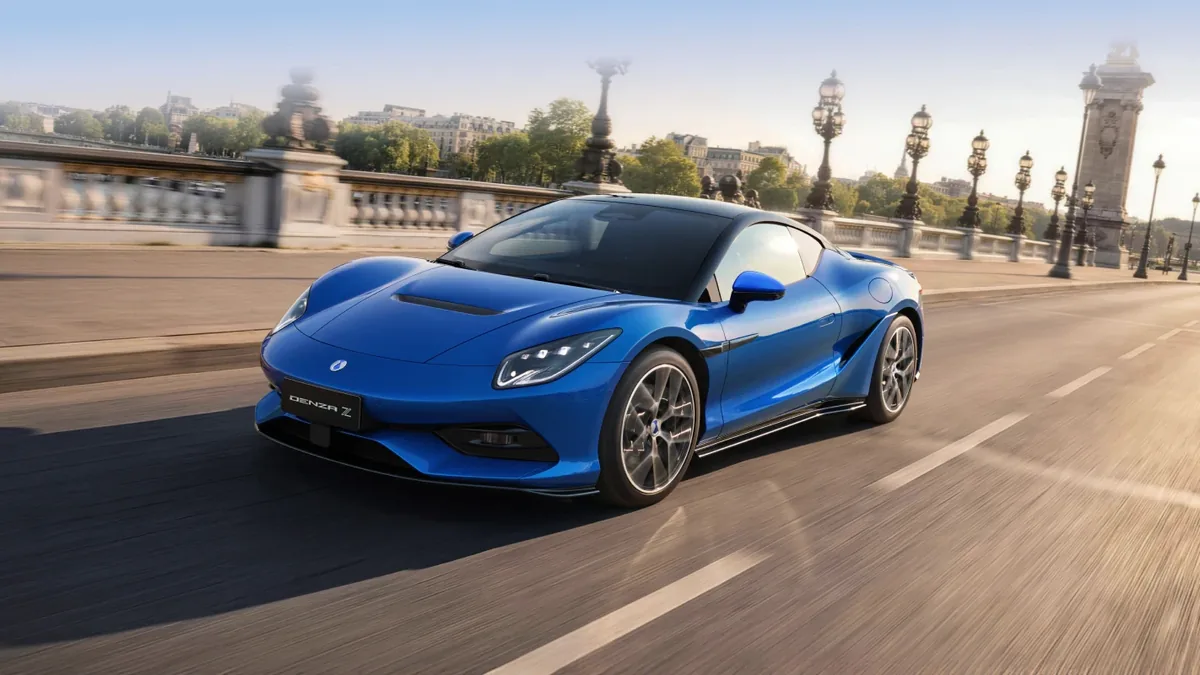
The Denza Z is a fascinating engineering achievement from BYD-backed premium brand Denza, but it represents an extreme ownership proposition that requires more than just enthusiasm for acceleration numbers to justify the purchase.
My advice: do not judge this vehicle by its 1,582-hp headline alone. Judge it by whether the charging hardware, tires, brakes, software updates, insurance premiums, and crash-repair network exist where you live right now. Denza presents the Z as a high-performance electric sports coupe with a tri-motor system, rapid charging capabilities, and claims of everyday usability. CarNewsChina reported 1,180 kW of combined peak output for this machine, roughly translating to 1,582 hp following its debut at Goodwood.
Those numbers make the Z fascinating on paper, but they do not automatically make it a low-risk purchase in your specific market. A new badge entering expensive territory has to prove much more than acceleration figures before you sign a deposit check.
In my experience with exotic vehicles and high-voltage EVs alike, the difficult part of ownership is rarely the first full-throttle run on a track day. It is getting the correct tire replaced six years later when your local supplier has gone out of business; it is finding a body panel that matches after an accident in a region where Denza parts are not stocked; or dealing with software glitches that require official intervention.
Quick Takeaways for Prospective Buyers
- Purchase Channel: Buy only through a market with an authorized Denza sales and repair channel. Avoid grey imports unless you are prepared to manage total vehicle responsibility yourself.
- Charging Reality: Treat the fastest charging claim as infrastructure-dependent, not as the speed you will see at every public charger along your commute.
- Consumables Costing: Price tires, brakes, insurance premiums, and body repair costs before placing a deposit. Do not rely on sales estimates for rare components.
- Specification Verification: Wait for homologated local specifications because power output, range ratings, and charging figures can vary significantly by version and market regulation.
The factual baseline for this guide comes from the primary official or regulatory source and independent automotive reporting. I use those published details as inputs; the buyer and ownership judgment is my own.
The Denza Z: More Than a Power Stunt?
Denza’s European product page describes the coupe as being designed around a tri-motor electric powertrain, high-voltage architecture, advanced thermal management systems, and high-performance brakes. That combination matters immensely for long-term reliability.
Repeated performance in a heavy EV depends on controlling battery, inverter, and motor temperature effectively over thousands of miles, not simply producing one enormous peak number at the track. The official presentation also emphasizes aerodynamics and everyday usability. I would test that promise carefully before committing funds.
A usable road car needs reasonable visibility for safety, a turning circle that works in crowded parking garages (essential given its dimensions), a suspension mode that survives broken pavement without damage, and a cabin climate system that remains cool without destroying range efficiency rapidly. A two-second acceleration claim is entertainment; those details determine whether the car leaves the garage reliably every day.
The vehicle utilizes a specialized rigid carbon fibre composite cell cage structure coupled with standard carbon-ceramic brake discs to control thermal fade during high-speed deceleration, according to technical disclosures from launch events. Ride control is managed via DiSus-M magnetorheological suspension systems which dynamically modulate damping.
The Charging Claim Needs a Reality Check
CarNewsChina reports an 800-volt system, an estimated 600-km WLTP range, and multi-megawatt rapid-charging capability. Other launch coverage has referenced Denza’s FLASH charging system and extremely short charging sessions under ideal conditions.
My advice is to separate vehicle capability from charger availability strictly. A car that can accept extraordinary power still charges at the limit of the station, cable resistance, battery temperature, and local grid capacity available in your specific area.
In Vietnam and much of Southeast Asia, where Denza plans significant expansion including Thailand and Indonesia markets, the practical question is not whether a demonstration charger can deliver a headline peak. It is whether your normal route has dependable high-power chargers that are actually maintained by local operators. Furthermore, you must verify if Denza will support route planning and payment locally for these specific ultra-fast stations.
At home, even a strong AC installation capable of handling the load will be far slower than DC fast charging, which is fine if you can charge overnight consistently without grid interruptions.
Performance Hardware Creates Expensive Consumables
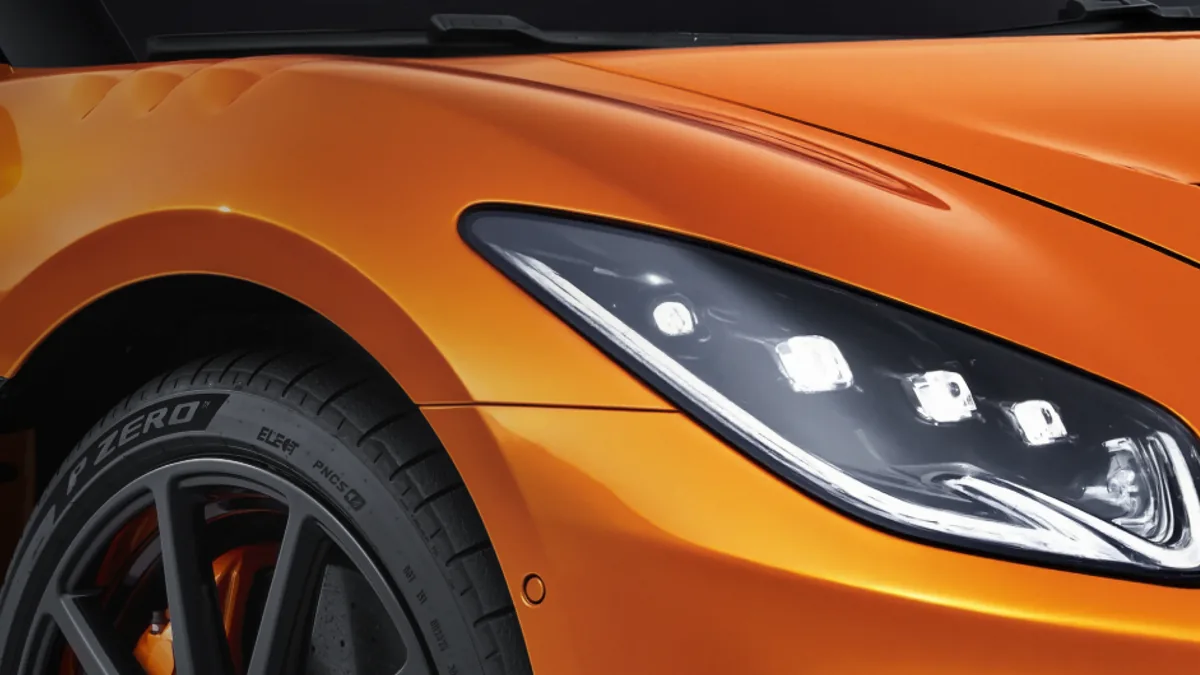
A tri-motor supercar like this Denza Z can use tires at a frightening rate, especially since the vehicle is heavy and delivers instant torque to all wheels. I would ask for the exact tire size, load rating, speed rating, and approved alternatives from the manufacturer before purchase.
Then call local suppliers rather than accepting a sales estimate blindly. A rare or proprietary tire can leave an exotic parked for weeks if your nearest specialist cannot source it immediately after wear-out or damage. This downtime is unacceptable for daily commuter vehicles regardless of their powertrain type.
Brakes are similar in importance to safety and maintenance costs. Regenerative braking reduces normal pad wear significantly compared to internal combustion engines, but a performance car still needs large friction brakes for repeated hard stops from high speeds and emergency consistency on wet roads.
Carbon-ceramic equipment can be wonderful on a track day or autocross event but becomes painfully expensive after damage in an urban environment. Ask explicitly whether discs, pads, calipers, wheel-speed sensors, and brake fluid are stocked locally by authorized dealerships before ordering the vehicle.
The Warranty Questions I Would Put in Writing
I would request separate terms for the vehicle chassis, high-voltage battery pack integrity, drive units longevity, and corrosion protection specifically. I would also ask how usable battery capacity is measured strictly for a warranty claim rather than gross capacity.
Crucially, verify whether track driving changes coverage limits or voids specific components entirely. Also confirm if imported cars receive software updates outside their original market region without losing functionality or safety features later down the line.
That last point matters immensely in Southeast Asia where grey-market EV imports may operate normally on day one but lose connected services, navigation data accuracy, app access to remote diagnostics, or recall support months later. The Denza Z should be bought as a supported product with full factory backing, not merely shipped as an impressive object without local infrastructure.
How I Would Compare It Against Alternatives
The Porsche Taycan and established European performance EVs offer mature dealer networks in most Western markets and clearer resale histories due to brand legacy. The Denza counters with extreme hardware specifications and BYD battery expertise which is globally recognized for quality.
Our How Electric Cars Work: A Comprehensive Guide explains why performance theater must still work in traffic conditions where reliability matters more than lap times. Buyers considering another Chinese premium EV should also read our analysis on the BYD Sealion 7: Should You Trust a Chinese Electric SUV? to understand broader brand reliability trends.
I would not assume the established badge is automatically better in every metric. I would ask which manufacturer can supply a windshield, radar calibration data files, battery coolant part replacements, or headlamp assemblies fastest in my country during an emergency repair scenario. That answer is more useful than any brand argument alone regarding prestige.
What I Would Check Before Ordering
- Obtain the exact local specification: Do not rely on a translated launch sheet or generic press release numbers which may differ from your region’s homologated version.
- Confirm authorized high-voltage repair procedures: Ensure accident isolation protocols are documented and available for insurance claims involving battery damage specifically.
- Test the car on an ordinary public fast charger: Verify real-world charging speeds match marketing claims under varying ambient temperatures before committing funds.
- Get written tire, brake, and body-panel prices: Obtain quotes for common wear items and repair parts to understand true cost of ownership beyond purchase price alone.
- Quote insurance premiums: Confirm battery-underbody damage coverage specifically since standard policies often exclude high-voltage system failures or require expensive add-ons.
- Ask how recalls work for your VIN: Understand the process for over-the-air updates versus physical service center visits required for critical safety fixes in your specific market jurisdiction.
FAQ
Does the Denza Z really make 1,582 hp?
Launch reporting lists 1,180 kW for the tri-motor version which converts to approximately 1,582 horsepower. I would verify the certified figure for the exact market and trim level before treating it as final since ratings can vary by region due to emission regulations or software tuning differences.
Can it always charge in minutes?
No. The best claim requires a compatible ultra-high-power charger installed at your home or workplace, a battery at the correct operating temperature range, and favorable conditions without grid constraints. Ordinary stations will be significantly slower regardless of vehicle capability.
Is the Denza Z sensible in Southeast Asia?
It can be, but only where Denza provides authorized sales channels, software update infrastructure, parts distribution networks, and high-voltage service centers capable of handling complex repairs. A grey import carries much more risk regarding long-term support availability.
What are the main variants available?
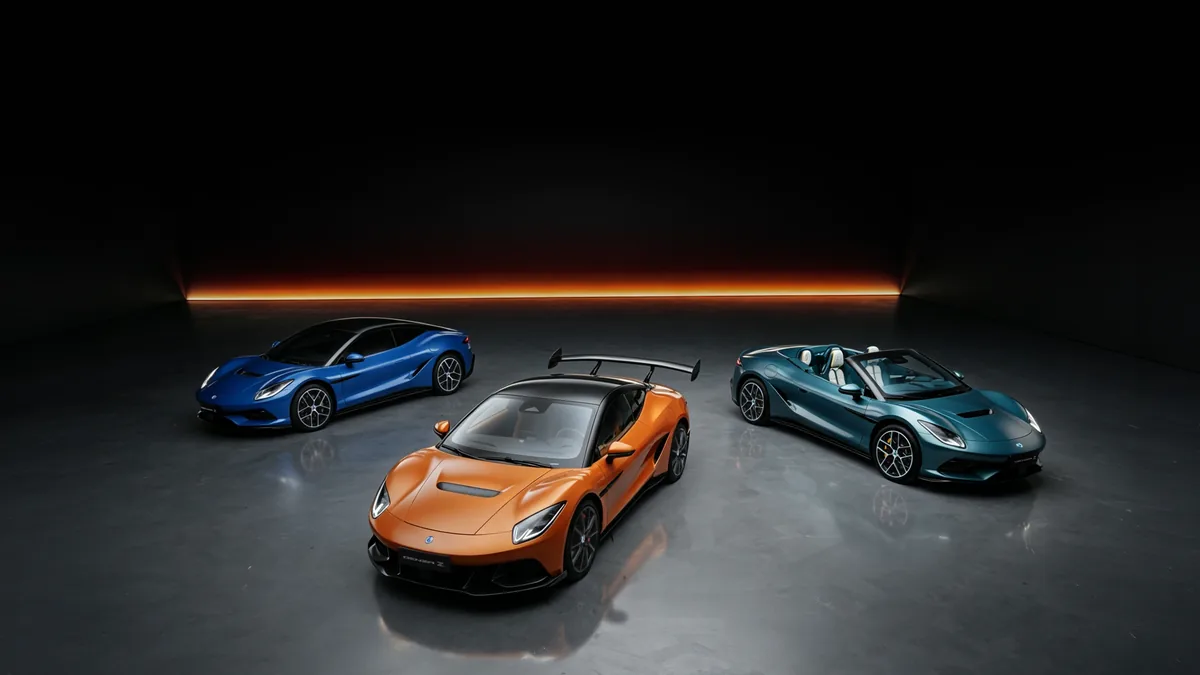
The model lineup includes Coupe, Spider, and Racing trims with varying specifications for power output, torque delivery, top speed limits, and body dimensions tailored to different market preferences while maintaining core platform architecture consistency across regions.
Dr. Worry’s Final Recommendation
I would consider the Denza Z only after the local support network proves itself consistently over time and the final specification is certified for your specific region legally. I would not be the first grey-import owner chasing the biggest power number without verifying infrastructure compatibility.
The technology deserves respect, but an electric supercar becomes a good purchase only when its charging ecosystem, repair availability, and software support are as impressive as its acceleration figures on paper. Do your homework locally before importing or ordering this machine to ensure you can maintain it safely for years ahead without constant worry about parts shortages or service delays.
Remember that understanding electric cars involves more than just horsepower ratings; Understanding Electric Cars: A Comprehensive Guide provides context on how these systems function daily. Ultimately, the Denza Z offers a compelling blend of performance and innovation, but its success in your hands depends entirely on whether you live within reach of its support network.
If you are torn between this exotic EV and more conventional options like the 2026 Toyota C-HR, weigh your priorities carefully: do you want maximum thrill with potential logistical headaches, or reliable daily transport with proven service coverage? There is no wrong answer, only the choice that aligns best with your lifestyle and risk tolerance.
Stay informed about market developments as Denza continues expanding globally. The future of electric performance looks bright, but individual ownership experiences vary wildly based on location-specific factors you cannot ignore before signing any contract today.