Dr. Worry’s verdict: I would wait for the final battery, range, charging, price, weight, and warranty figures before placing a Range Rover Sport Electric order. The prototype suggests electric power suits this SUV’s quiet speed and chassis better than many buyers expect, but the largest ownership risks—usable range, repair support, tire cost, and delivery timing—are not settled by a Goodwood demonstration.
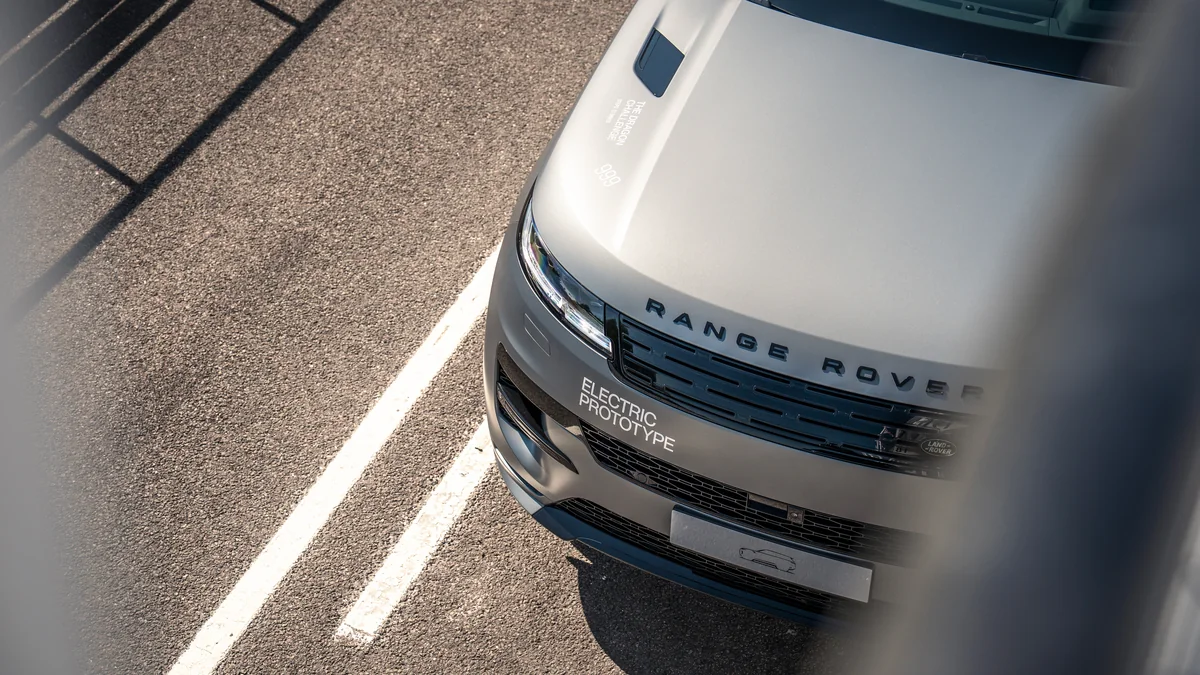
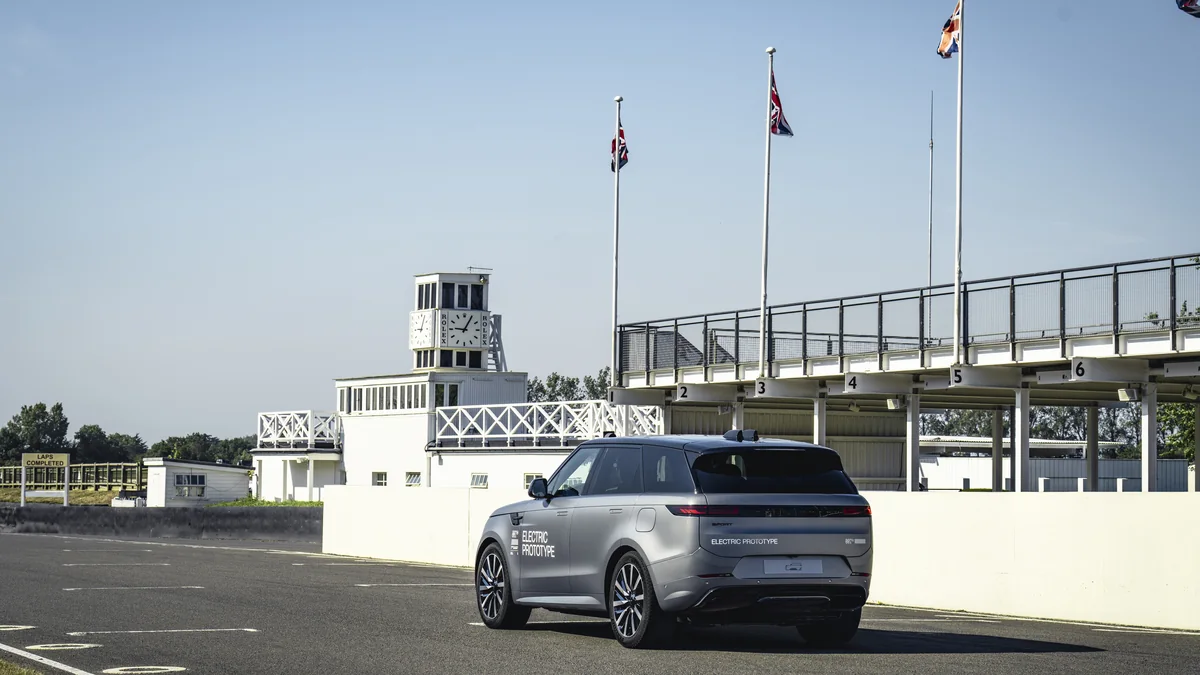
Range Rover officially confirmed the Sport Electric on July 16, 2026, calling it the brand’s second battery-electric model and promising more detail later in the year. Journalists drove late prototypes, but several widely repeated numbers still come from pre-production information or inference from the larger Range Rover Electric. I would treat them as guidance, not a signed specification.
Quick Takeaways
- Range Rover has confirmed production intent, but final specifications and pricing remain pending.
- Prototype reports describe dual-motor AWD and strong performance with a calmer low-speed character.
- A very large battery can support useful range while increasing weight, tire load, charging time, and repair cost.
- One-pedal driving, air suspension, and four-wheel steering appear well suited to daily luxury use.
- Southeast Asian buyers should avoid an early grey import without battery and collision support.
What Range Rover has confirmed—and what it has not
The official Range Rover newsroom announcement confirms a fully electric powertrain, an advanced chassis tune, Goodwood prototype demonstrations, and a planned arrival after the full reveal. It does not publish final price, homologated range, usable battery capacity, peak charging power, curb weight, or market-by-market delivery timing.
That distinction matters because launch coverage often blends known Sport details with figures from the larger Range Rover Electric. Car and Driver reported up to 542 hp and more than 300 miles of estimated EPA-style range, while some European estimates reach higher. I would not build a route or finance plan around any number until it appears on the final local order sheet.
Why electric power could improve the Sport
A Range Rover Sport is already sold on effortless torque, isolation, and controlled body movement. Electric motors can strengthen all three. They respond immediately, remove gear changes, and let engineers meter torque at each axle. A battery beneath the floor also lowers the center of gravity, although it adds substantial mass.
Auto Express’s prototype drive praised the smooth ride, refinement, and consistent brake-pedal feel. Its reviewer also warned that range and charging remain unknown quantities. That is the correct balance. A ten-minute drive can reveal steering and body control; it cannot prove winter range, tropical charging repeatability, or ten-year battery support.
The battery could be its strength and its burden
Prototype reporting points toward hardware related to the full-size Range Rover Electric, including a very large usable battery and 800-volt charging architecture. Top Gear discussed 118.5 kWh usable capacity, 542 bhp, and an expected range near 330 miles, while clearly labeling some Sport outcomes as estimates. Until Range Rover certifies them, I would describe this only as a likely technical direction.
A large pack reduces range anxiety but creates other questions. Can your home electrical system refill it overnight? Does the charging curve hold useful power above 50 percent? How much range disappears at highway speed with 22-inch tires, passengers, rain, and air-conditioning? A 350-kW peak is valuable only when the station, cable, temperature, and battery state allow it.
The real comparison is PHEV versus EV
I would not compare the Sport Electric only with other luxury EVs. Range Rover already sells plug-in-hybrid versions that can cover many commutes electrically while retaining quick refueling for remote travel. The EV should win on silence, response, home-charging convenience, and reduced routine engine maintenance. The PHEV wins when public charging is weak or towing and cross-border travel are frequent.
Do the comparison with your weekly route. If the car sleeps beside a wall box and rarely exceeds 250 km in a day, the EV may feel simpler. If it lives in an apartment, tows, or travels where chargers are sparse, the hybrid’s extra mechanical complexity may still buy more practical freedom.
Tires, brakes, and alignment will not be cheap
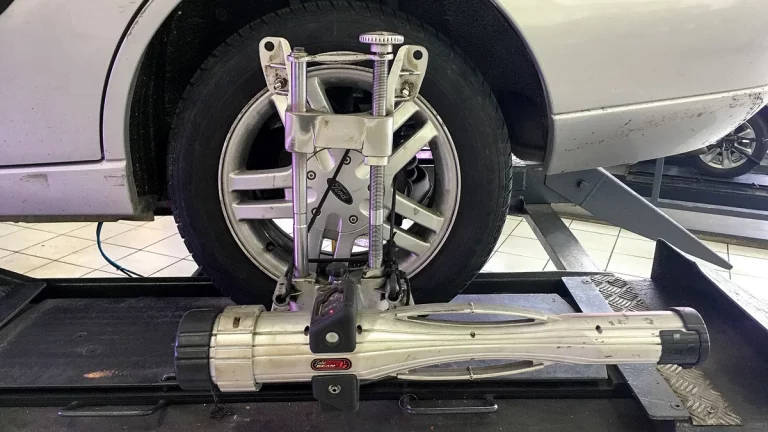
A heavy luxury EV asks a lot from its tires. Instant torque and large wheels can wear inner shoulders quickly if alignment moves out of specification. Before ordering, I would price one approved tire and a full set in the exact size. I would also ask whether a smaller factory wheel remains available without reducing brake clearance or load rating.
Regenerative braking can extend pad life, but the friction system still has to stop a very heavy SUV in an emergency. Calipers, discs, air suspension, four-wheel steering, and active chassis systems need correct diagnostics. The vehicle may feel calm from the driver’s seat while its consumable and calibration bills remain firmly in flagship territory.
Repairability matters more than acceleration
A front-corner collision can involve aluminum structure, cameras, radar, cooling hardware, active suspension, high-voltage isolation, and paint work. I would ask the insurer which local body shop is certified and how it assesses underbody battery damage. “We can order parts” is not enough; get realistic lead times for a headlamp, windshield, wheel, charge-port door, and battery shield.
Existing ownership lessons still apply. The Range Rover Evoque ownership guide explains why styling cannot compensate for weak parts support. The Defender Vertex buyer check makes the same point about choosing body, tires, and service coverage before appearance packages.
How I would compare the alternatives
The BMW iX, Mercedes EQE SUV, Porsche Macan Electric, and Volvo EX90 represent different blends of charging, software, space, and dealer maturity. The Sport Electric should be judged on ride, steering, rough-road confidence, and cabin atmosphere—not simply horsepower. A rival that charges more predictably or has better collision support may be the more luxurious ownership experience.
I would also drive the Lexus LX 700h if remote travel and long-term support matter more than electric silence. Our Lexus LX 700h guide covers a very different powertrain, but it forces the useful question: do you need a premium EV, or do you need a durable flagship SUV?
Southeast Asia magnifies the unknowns
Range Rover has not confirmed one common specification for Vietnam, Thailand, Singapore, and Cambodia. Import tax, charging standard, connected services, navigation, battery warranty, and technician certification can vary. Tropical heat also increases cooling demand and can reduce road-trip range while the cabin works hard.
I would buy only through an authorized market plan. Verify DC connector access, home-charger installation, app functionality, roadside recovery for a depleted high-voltage battery, flood inspection procedures, and the location of a certified collision center. An unsupported grey import turns a technically impressive EV into a logistics experiment.
What I would check before signing
- Final usable battery capacity, certified range, and charging curve.
- Real price with destination, home charging, and essential options.
- Battery, motor, air-suspension, and corrosion warranty terms.
- Approved tire sizes and local replacement availability.
- Certified body repair and battery-underbody inspection process.
- Towing capacity and trailer-aware route planning if relevant.
- Refundable deposit terms until local specification is confirmed.
FAQ
How much range will the Range Rover Sport Electric have?
Published prototype estimates suggest more than 300 miles, but Range Rover has not yet released the final certified figure for each market.
How fast will it charge?
Reports point to an 800-volt system and potentially very high peak power, but final Sport charging specifications and the full curve remain unconfirmed.
Is it faster than the V8 Range Rover Sport?
It should deliver immediate and very strong acceleration, but final performance figures are pending. I would prioritize repeatability, braking, and daily control over one sprint.
Should I choose the electric model or a PHEV?
Choose the EV with reliable home charging and mostly predictable routes. The PHEV remains safer for sparse charging, frequent towing, and long remote trips.
Dr. Worry’s Final Recommendation
I believe electric power can make the Range Rover Sport quieter, faster, and more composed without removing its character. I still would not order from the prototype story. Wait for the final local numbers, price the tires and insurance, verify charging on your routes, and identify the workshop that can repair both aluminum and high voltage. If those answers are strong, the Sport Electric deserves a serious test drive; until then, patience is the premium option.