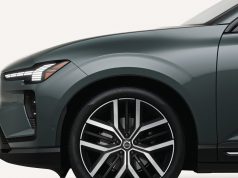

My advice: do not treat the Tesla Model Y L as just a bigger Model Y with an easy yes-or-no price tag. It is a more useful family EV because it adds real six-seat packaging, but the first U.S. Launch Series price makes it a car I would test carefully, compare against the Kia EV9 and Hyundai Ioniq 9, and avoid buying purely out of launch excitement.
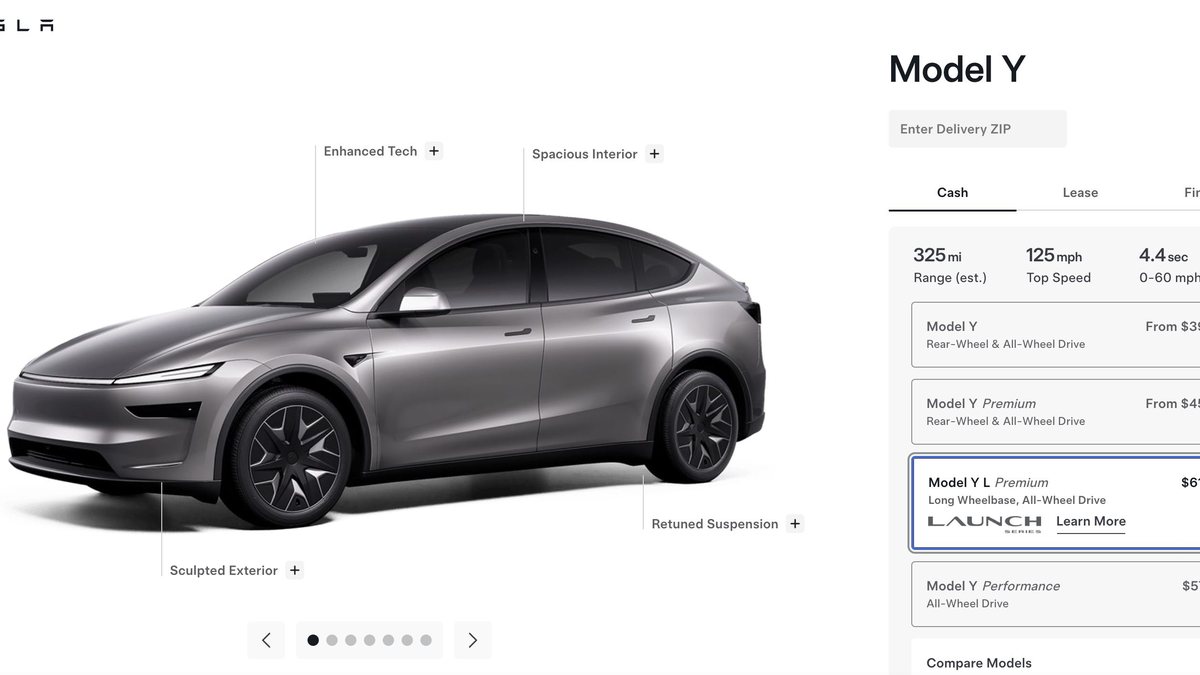
Electrek reported on July 2, 2026 that Tesla opened U.S. and Puerto Rico orders for the Model Y L at $61,990 as a Launch Series, with six seats, an EPA-estimated 325 miles of range, and a claimed 0-60 mph time of 4.4 seconds. That is a strong specification sheet, but family cars are not bought on acceleration alone. The real question is whether the extra length, 2+2+2 cabin, and Tesla charging ecosystem justify paying more than several dedicated three-row EV alternatives.
Quick takeaways
- The Model Y L is the Tesla three-row layout that finally sounds usable, not the tiny third-row option many buyers complained about.
- The Launch Series price is the risk. Early adopters may pay the highest price before cheaper trims arrive.
- For Southeast Asia, cabin heat load, service access, imported pricing, and third-row comfort matter more than the 0-60 number.
What changed with the Model Y L
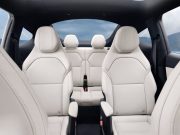
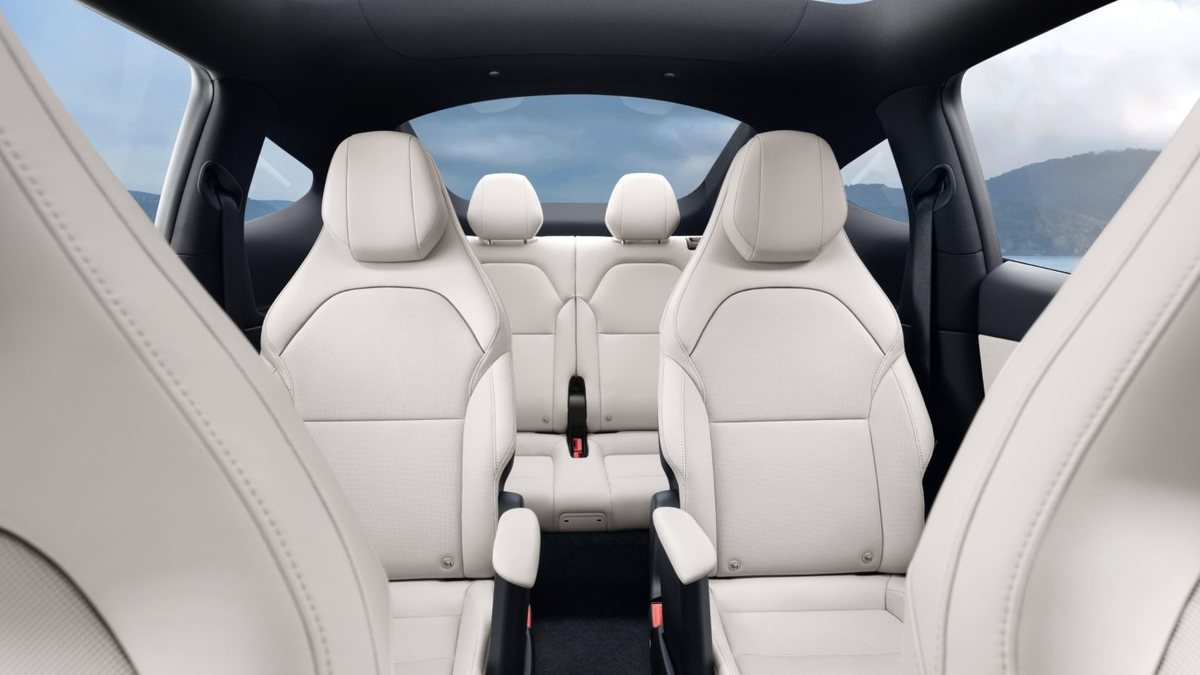
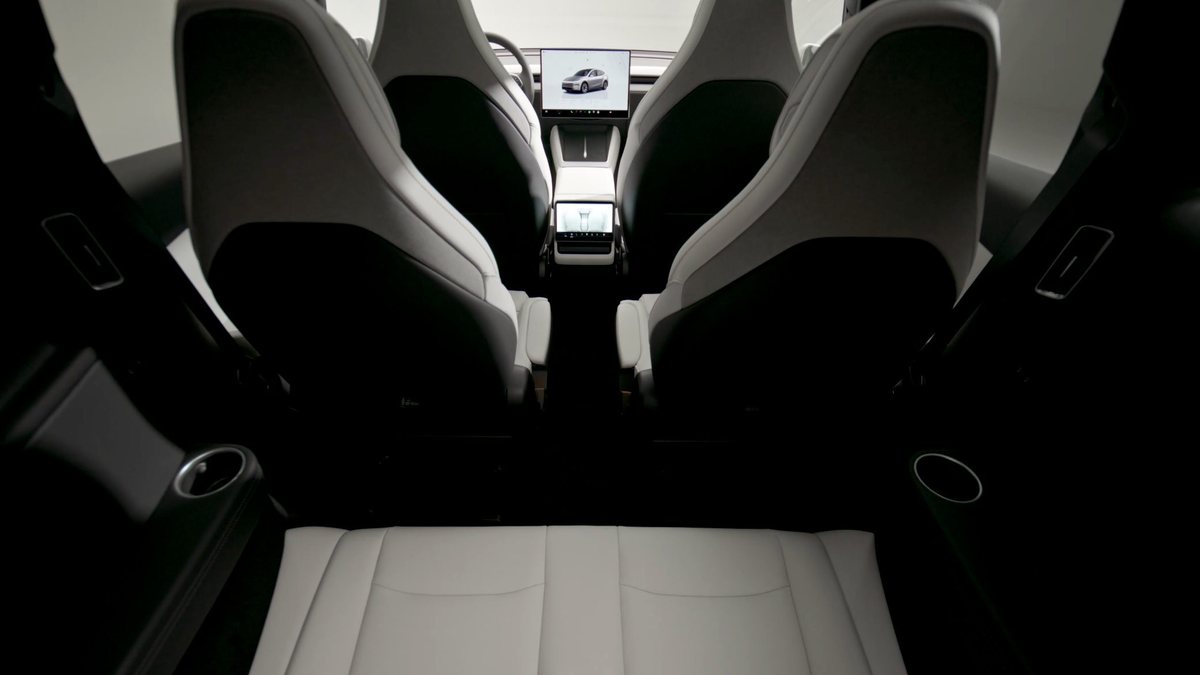
The important change is physical space. Electrek says the Model Y L stretches the wheelbase by about 150 mm and overall length by roughly 180 mm versus the regular Model Y. Tesla uses that extra space for a six-seat layout with second-row captain chairs and a third row that should be easier to reach. For parents, airport runs, and owners who carry grandparents or two children in child seats, that matters more than another screen animation or a faster launch time.
I would still separate “usable” from “comfortable.” A six-seat EV can look generous in photos and still become tiring once you add bags, school backpacks, rain gear, charging cables, and a stroller. Before ordering, I would put the tallest regular passenger in the second row, then put the usual third-row passenger behind them. If knees, headroom, or foot space require a compromise on a five-minute showroom visit, they will annoy you badly on a long monsoon weekend drive.
The Southeast Asia angle is simple: heat and tight parking reveal packaging problems fast. A third row that is acceptable in a cool showroom can become a complaint factory after 30 minutes in Bangkok or Ho Chi Minh City traffic. I would also check how easily children can climb past the captain chairs when the second row is occupied.
The Launch Series price is the catch
The $61,990 opening price is not a casual detail. Launch Series cars are usually loaded, scarcity-driven versions aimed at buyers who want the first allocation. That can make sense if you need the vehicle immediately, but it can punish patient shoppers. In my experience, the buyer who waits for the normal trim walk often gets a cleaner decision: fewer bundled extras, clearer lease support, and a better idea of real-world depreciation.
The comparison set is not friendly to Tesla. The Hyundai Ioniq 9 and Kia EV9 were built as three-row EVs from the start, and WorryCars already covered the Hyundai Ioniq 9 luxury EV angle. The Model Y L counters with Tesla’s charging advantage, software familiarity, and strong efficiency reputation, but the cabin still needs to prove that it is more than a stretched crossover. Families should also read our Kia Telluride Hybrid fuel-math check if they are not fully committed to an EV.
What I would check before ordering
First, check third-row access with real passengers, not an empty showroom car. Second, check cargo space with all six seats up. Third, check whether the third row has enough ventilation for hot weather. In Vietnam, Thailand, or Cambodia, the rear air-conditioning experience is not a luxury detail; it decides whether children complain after 20 minutes in traffic.
Fourth, ask what happens if you import or later resell the car outside Tesla’s strongest service markets. Tesla ownership can be easy where official service, parts, and body repair are mature. It can become slow and expensive where support depends on a thin service channel. A family EV that sits waiting for a trim piece, glass, or suspension part is not a practical family EV.
FAQ
Is the Tesla Model Y L a seven-seater?
No. The launch version reported by Electrek uses a 2+2+2 six-seat layout, which should be easier to live with than a narrow seven-seat bench setup.
Is 325 miles enough for a three-row EV?
For many families, yes, but loaded highway driving, heat, rain, roof boxes, and fast cruising can reduce range. I would plan around a lower real-world number until independent tests arrive.
Should I buy the Launch Series?
Only if you need the car early and accept the premium. My default advice is to wait for normal trims unless Tesla gives unusually strong lease or delivery incentives.
Final recommendation
The Model Y L is the most convincing family Tesla on paper, but I would not call it the automatic three-row EV winner. The cabin format is promising, the range claim is useful, and the charging network remains a serious advantage. The price is where I would slow down. Test the third row, compare a Kia EV9 and Hyundai Ioniq 9 on the same day, and wait for non-Launch Series pricing unless you truly need the first cars.