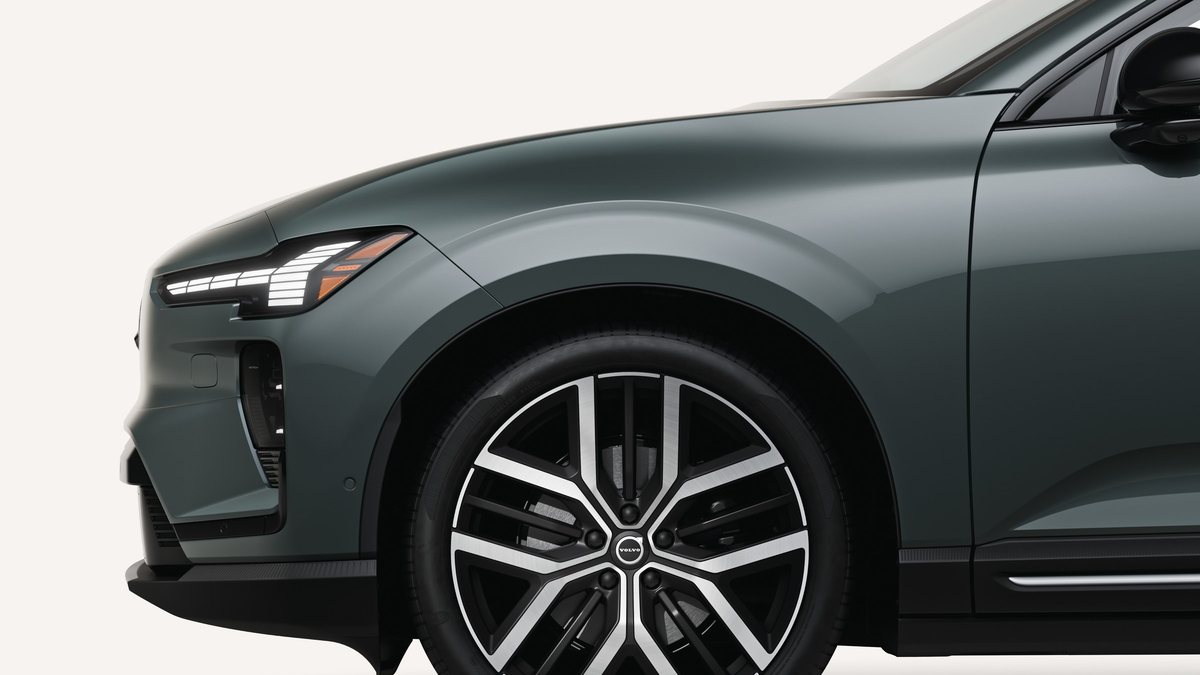
My advice: the 2027 Volvo EX60 is a car I would approach like a premium computer on wheels, not just a safe Scandinavian SUV. The design looks calm, but the buyer risk sits in software maturity, sensor repair, charging hardware, and whether local service teams can support a very digital EV for ten years.
Volvo’s official U.S. EX60 page positions the new model as a fully electric midsize luxury SUV that becomes safer, smarter, and more connected over time. Car and Driver’s first-drive coverage describes the car as heavily software-led, with refinement wrapped around substantial computing power. That is exactly why I would be careful. Modern Volvos can be excellent ownership cars, but the more a vehicle depends on software and sensors, the more the buyer must think beyond leather, silence, and brand reputation.
Quick takeaways
- The EX60 is likely to replace the old “premium family Volvo” decision with a more technology-heavy EV ownership decision.
- Software updates can improve the car, but early owners also carry the risk of bugs, feature delays, and interface changes.
- For Southeast Asia, charging support, heat management, glass and sensor repair, and warranty handling matter as much as safety marketing.
Why this EX60 is different
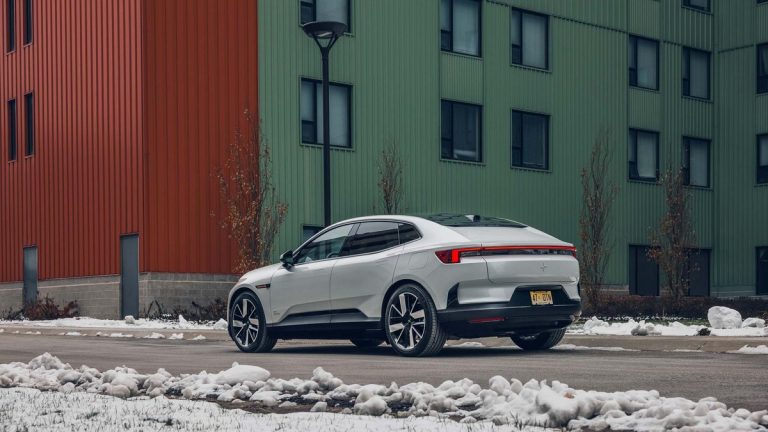
The EX60 sits in a crucial space. It is not a tiny city EV and not a huge flagship. It is the kind of midsize premium SUV that families in Singapore, Thailand, Vietnam, and Australia actually cross-shop against BMW, Mercedes, Lexus, Tesla, and Hyundai. Volvo’s pitch is familiar: safety, restraint, comfort, and calm design. The difference is that the new EV platform makes software and computing power central to the experience.
I like that direction only if the buyer understands it. A software-defined car can age better if updates improve navigation, charging, driver assistance, and energy management. It can also irritate owners if basic controls move, warning systems become noisy, or a dealer needs weeks to diagnose a sensor fault. A premium badge does not remove those risks; it only makes the invoice more painful.
Safety tech is not the same as low ownership risk
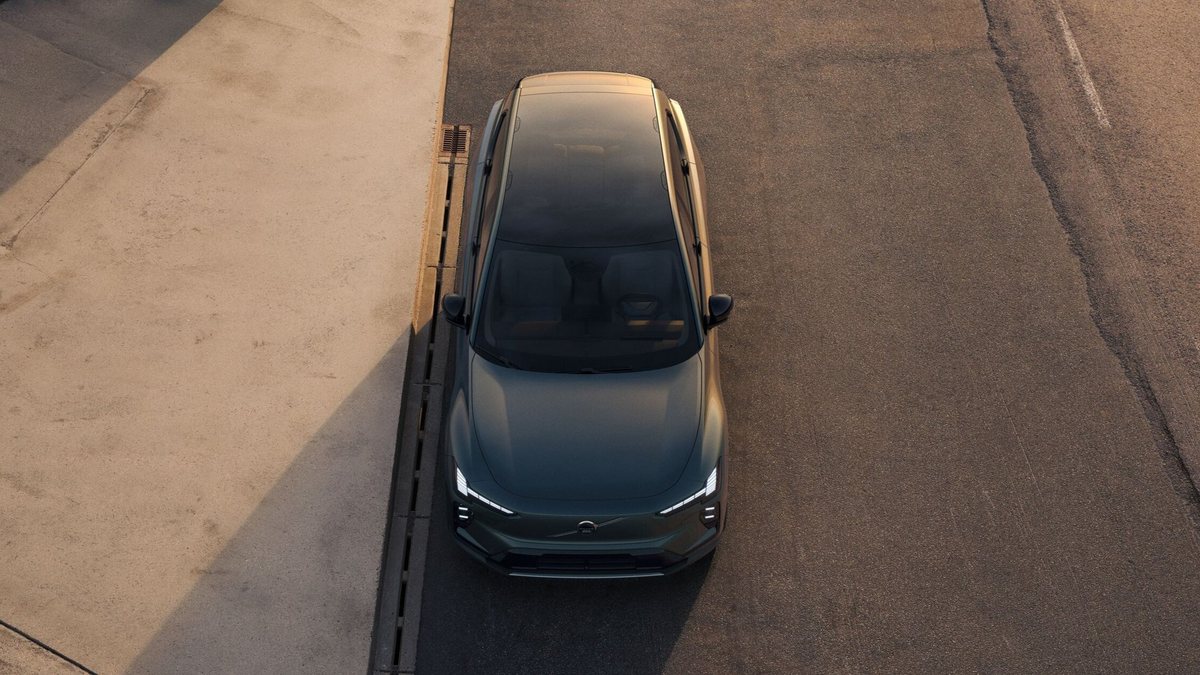
Volvo has earned the right to talk about safety, and I respect the brand’s long-term focus. But buyers should separate safety engineering from ownership simplicity. Cameras, radar modules, lidar-related systems where fitted, advanced seat-belt logic, and driver-monitoring sensors can be expensive to calibrate after windshield, bumper, or body repairs. In markets with heavy scooter traffic and tight parking, minor impacts are common. A small bumper knock can become a sensor-calibration discussion.
Before buying, I would ask the dealer exactly which driver-assistance sensors are fitted on the local trim, what calibration equipment is available, and how long common repairs take. I would also ask whether software updates are handled over the air, in the workshop, or both. If the service advisor cannot explain that clearly, the ownership experience is not ready for a complex EV.
The charging and heat questions
Volvo’s official page sells the EX60 as a premium electric SUV, but the practical buyer question is simple: where will you charge it, how fast will it charge on your actual route, and how does the battery behave in tropical heat? Heat, rain, standing traffic, and high-speed highway runs expose weak EV planning quickly. I would not buy a premium EV in Southeast Asia without a home or office charging plan unless public charging is genuinely reliable near my routine.
The EX60 should also be compared with less traditional EV choices. Tesla has the charging advantage in many markets; Hyundai and Kia are strong on dedicated EV packaging; Lexus sells a quieter ownership story. WorryCars covered the Cadillac Escalade IQ/IQL giant EV problem, and the opposite lesson applies here: a midsize EV is easier to live with, but only if charging and service are convenient.
What I would test on a drive
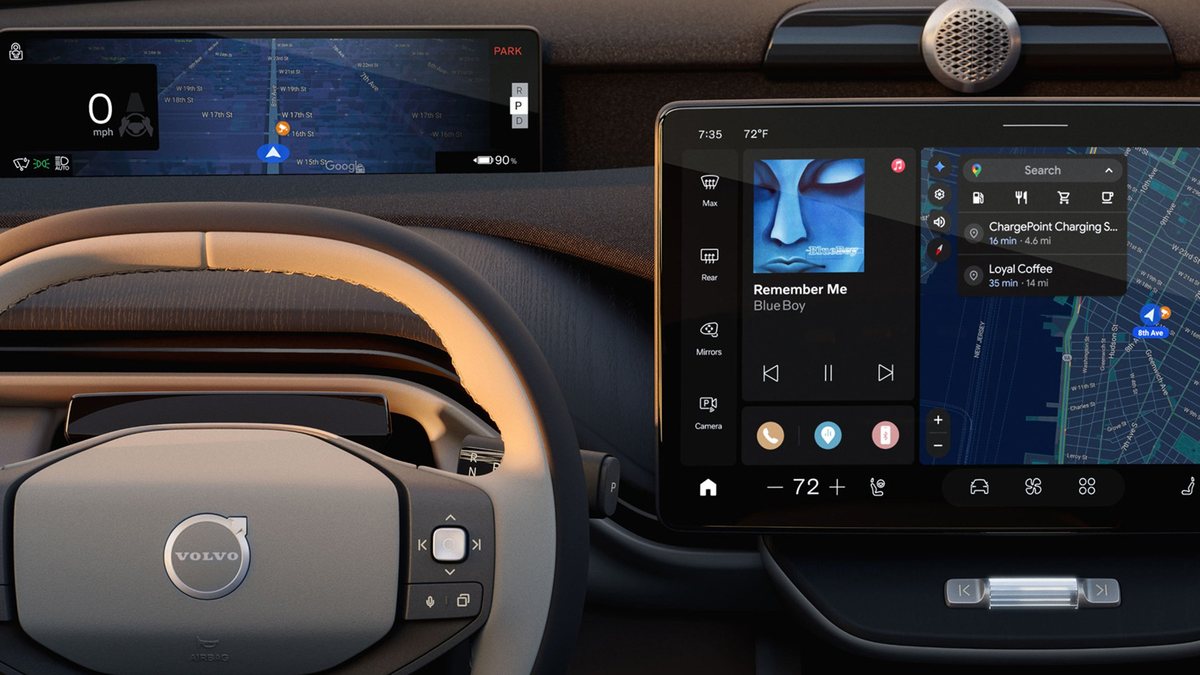
Do not spend the test drive only enjoying the silence. I would test the lane assistance on imperfect markings, the parking sensors near scooters or posts, the climate system in the second row, and the infotainment response after repeatedly switching between navigation, camera views, phone projection, and charging screens. These are the controls owners touch every day.
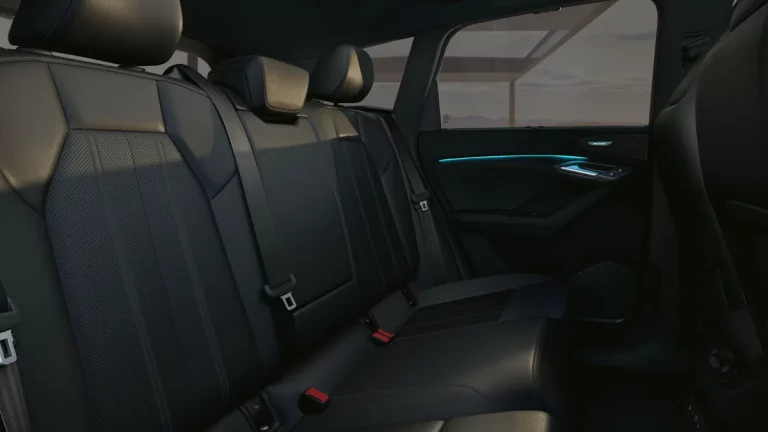
I would also check seat comfort after 30 minutes, not five. Volvo seats are often excellent, but EV floor height and battery packaging can change thigh support. Rear-seat comfort is especially important if the EX60 becomes a family car with school runs, airport trips, and weekend travel. If you are cross-shopping a hybrid, our Hyundai Palisade Hybrid buyer check is a useful reminder that fuel savings and space sometimes matter more than the newest software stack.
FAQ
Is the Volvo EX60 a safe choice?
It is likely to be engineered with safety as a priority, but “safe choice” also depends on local service, repair calibration, and software reliability.
Should I buy the first model year?
I would wait for early owner feedback unless the warranty, service package, and dealer support are unusually strong. First-year software-heavy EVs deserve patience.
What is the biggest ownership risk?
For me, it is not battery range alone. It is the combination of software issues, sensor repair costs, and slow parts support in markets far from the main launch regions.
Final recommendation
The EX60 could become the most sensible premium Volvo EV because it targets the right size and the right buyer. I would still buy it with a service-first mindset. Confirm charging, warranty, software-update policy, sensor calibration, and parts support before falling for the calm cabin. If Volvo’s local network can support the technology, the EX60 looks compelling. If support is thin, I would wait one model year.